
Proudly Serving the Rock Hill, Charlotte, and Surrounding Areas

Gas Line Repair, Replacement & Installation in Rock Hill and Charlotte
Full Guarantee, Full Service, Full Spectrum Plumbing.
A problem with your gas line requires prompt attention from a plumber who understands gas piping, appliance connections, pressure requirements, and local safety codes. Full Spectrum Plumbing Services provides professional gas line repair, inspection, replacement, and installation throughout Rock Hill, Fort Mill, Charlotte, and surrounding communities in North and South Carolina.
Whether you need to fix a damaged gas pipe, connect a new appliance, replace deteriorating piping, or investigate a possible leak, our licensed plumbers will carefully evaluate the system before recommending the right solution. We provide clear options, transparent estimates, and gas line services completed with your home’s safety and long-term reliability in mind.
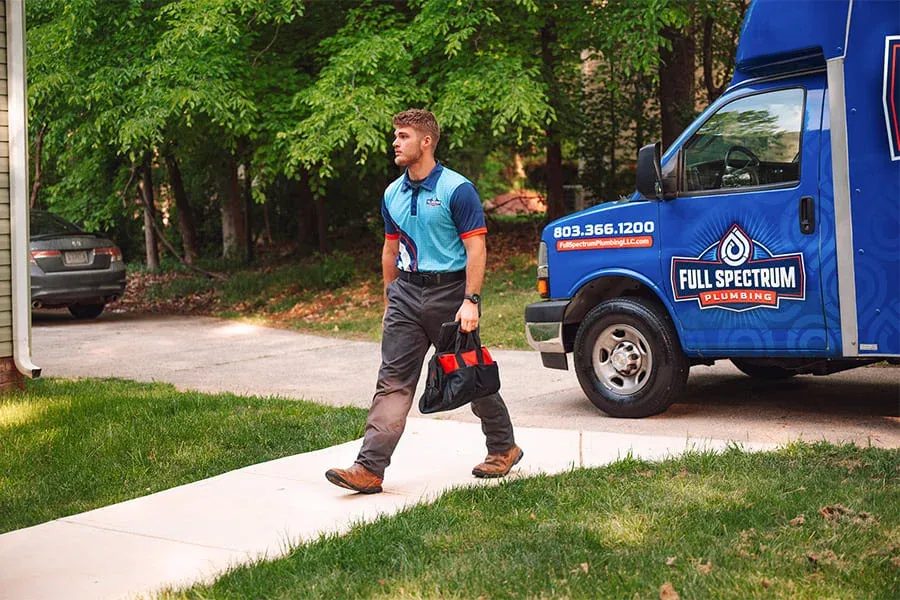
Do Plumbers Install and Repair Gas Lines?
Yes. Properly qualified and licensed plumbers commonly install, inspect, repair, and replace gas piping. This work can include gas lines for water heaters, ranges, dryers, fireplaces, generators, outdoor appliances, and other gas-powered equipment.
Not every plumbing contractor offers gas line service, so homeowners should verify that the company is appropriately licensed and experienced for the work being requested. Full Spectrum Plumbing holds licenses in both South Carolina and North Carolina and provides gas line plumbing across our service area.
What Should You Do If You Suspect a Gas Leak?
Gas leaks can create an immediate fire, explosion, or asphyxiation risk. If you smell an odor similar to rotten eggs, hear hissing near a gas line, or otherwise suspect a leak, leave the building immediately and move everyone to a safe location.
Do not operate light switches, electrical devices, appliances, phones, or anything else that could create a spark while you are near the suspected leak. From a safe location, call 911 and your natural gas utility. Do not return to the property until emergency responders or the utility provider confirms that it is safe.
Once the property has been cleared for entry and the gas supply has been secured, Full Spectrum Plumbing can inspect the customer-owned piping, locate the damaged section, and explain the repairs that may be required.
Complete Gas Line Plumbing Services
Gas piping is used to supply furnaces, water heaters, ranges, dryers, fireplaces, generators, grills, pool heaters, and other equipment. Because each appliance has specific pressure, sizing, shutoff, ventilation, and connection requirements, gas line plumbing should always be performed by a qualified professional.
Full Spectrum Plumbing provides gas line service for existing systems, remodeling projects, appliance upgrades, and new installations. Our plumbers can help with:
-
Gas line leak detection and repair
-
Damaged gas pipe repair
-
Gas line replacement
-
New gas line installation
-
Gas piping for appliance conversions
-
Gas line extensions
-
Gas line inspections
-
Pressure testing and safety checks
-
Appliance shutoff valve installation
-
Outdoor gas line installation
-
Gas line protection and damage prevention
-
Gas appliance connections
We begin by evaluating the affected piping and the equipment it serves. From there, we can determine whether the problem can be corrected with a focused repair or whether replacement, resizing, or another system modification would provide a safer and more dependable result.
Gas Line Repair
Gas line repair may be necessary when a pipe, fitting, valve, connector, or joint develops a leak or becomes damaged. Depending on the location and condition of the piping, a gas pipe fix may involve replacing a deteriorated section, correcting a faulty connection, installing a new valve, or repairing damage caused by corrosion or nearby construction.
Our plumbers do not make assumptions about where the problem is located. We inspect accessible gas piping, evaluate the affected appliance connections, and perform appropriate testing to determine where the system is losing pressure or failing to operate correctly.
Once the problem has been identified, we will explain what was found and present the available repair options. Any repaired system must be properly tested before gas service is restored.
Signs That a Gas Line May Need Repair
Not every gas line problem is immediately visible. Changes around your appliances, piping, or yard can indicate that an inspection is needed.
Warning signs can include:
-
A rotten egg or sulfur-like odor
-
Hissing or whistling near a pipe, valve, meter, or appliance
-
Visible rust, corrosion, dents, or damage on gas piping
-
Gas appliances that ignite inconsistently
-
Weak, uneven, or unusually colored flames
-
An unexplained increase in gas usage
-
Dead vegetation above an underground line
-
Blowing dirt or bubbling water near buried piping
-
A gas detector or appliance safety alarm activating
Do not remain inside the property to investigate these warning signs yourself. Leave the area and contact the gas utility or emergency services before arranging plumbing repairs.
Gas Leak Detection and Pressure Testing
A gas leak is not always located at the point where an odor is strongest. Gas can travel through wall cavities, utility openings, crawl spaces, and other concealed areas, making professional gas leak detection an important part of determining what needs to be repaired.
Our plumbers can evaluate accessible piping, fittings, shutoff valves, and appliance connections for potential leaks. Pressure testing may also be used to determine whether a closed gas piping system is maintaining pressure or losing it somewhere along the line.
Testing helps us narrow down the affected portion of the system so we can recommend a targeted repair whenever practical. Following repairs or installation, the gas piping is tested as appropriate before the system is placed back into service.
Gas Line Replacement
A small, accessible problem may only require a localized repair. More extensive deterioration, repeated leaks, improper installation, undersized piping, or widespread corrosion may make gas line replacement the more appropriate long-term solution.
Full Spectrum Plumbing can replace individual sections of gas pipe or update a larger portion of the system when needed. Replacement may be recommended when:
-
Multiple sections of piping are deteriorated
-
The system has developed recurring leaks
-
Existing piping is improperly sized
-
Previous gas piping was installed incorrectly
-
A renovation requires the line to be rerouted
-
The current system cannot support additional appliances
-
Materials or connections no longer meet applicable requirements
-
Underground piping has been damaged or compromised
Before recommending replacement, we evaluate how the gas piping is configured, which appliances it supplies, and whether the system has adequate capacity. This allows us to design the replacement around the actual demands of the property rather than simply copying an outdated layout.
New Gas Line Installation
A new gas line may be needed when adding an appliance, converting equipment from electric to gas, building an outdoor living space, or expanding an existing gas system. The new line must be correctly sized for both the appliance and the total demand placed on the system.
Our gas line installation services can support:
-
Gas ranges and cooktops
-
Gas clothes dryers
-
Furnaces and boilers
-
Gas fireplaces
-
Outdoor grills
-
Fire pits
-
Outdoor kitchens
-
Pool and spa heaters
Before installing the line, we determine where the new appliance will be located, how the piping can be safely routed, and whether the existing system has enough capacity. We also consider shutoff access, connection requirements, pressure, and any permits or inspections that may apply.
Gas Line Inspection
A gas line inspection can help uncover deteriorating piping, improper connections, damaged valves, unsupported lines, or other conditions that should be corrected. Inspections may be particularly valuable when purchasing an older home, renovating a property, replacing gas appliances, or reopening a system that has been out of service.
During the inspection, our plumber may evaluate:
-
Exposed gas piping
-
Appliance supply connections
-
Shutoff valve placement and condition
-
Visible corrosion or physical damage
-
Pipe support and routing
-
Flexible appliance connectors
-
The apparent sizing of the piping
-
Conditions that may require pressure testing
-
Whether modifications appear to meet current requirements
An inspection does not automatically mean the entire system must be replaced. We will explain which areas appear serviceable, which components need attention, and what options are available for correcting any identified concerns.
Protecting Gas Lines From Damage
Gas line protection involves more than repairing leaks after they occur. Proper routing, supports, protective materials, accessible shutoff valves, and awareness of underground piping can reduce the chance of accidental damage.
Homeowners can also help protect their gas piping by avoiding unmarked digging, watching for corrosion on exposed lines, and arranging an inspection before remodeling around gas appliances. Do not hang objects from gas piping, move appliances without disconnecting them properly, or attempt to reposition a gas line yourself.
Corrugated stainless steel tubing, commonly called CSST, may also require proper bonding to reduce certain risks associated with lightning. Because electrical bonding is outside the scope of standard plumbing work, the condition may need to be evaluated by a qualified electrician when applicable.
Who Is Responsible for Gas Line Repair?
Responsibility for gas line repair depends on where the problem is located and who owns that section of the system. The natural gas utility generally maintains its distribution system, while the property owner is commonly responsible for customer-owned piping that supplies appliances on the property.
The exact point where responsibility changes can vary by utility, property, and system configuration. If the source of the problem is unclear, contact your gas utility first. The utility can secure its equipment, determine whether the problem involves the utility side of the system, and advise you when a licensed plumber is needed for customer-owned piping.
Full Spectrum Plumbing can inspect and repair the portions of the gas piping that fall within the property owner’s responsibility after the utility or emergency responders have declared the area safe.
Our Gas Line Service Process
Gas piping must be approached methodically. Our process is designed to identify the actual problem, explain the necessary work, and confirm that the completed system is ready for operation.
1. Initial Safety Assessment
We begin by discussing what happened, which appliances are affected, and whether the gas utility has already inspected or shut down the system. Active or suspected gas emergencies must be addressed by the utility or emergency services before plumbing work begins.
2. Gas Piping Inspection
Our plumber evaluates accessible piping, valves, connectors, appliance hookups, and other relevant components. We may recommend pressure testing or additional investigation based on the symptoms and system configuration.
3. Clear Repair or Installation Options
After identifying the issue, we explain whether the system needs a localized repair, partial replacement, new piping, resizing, or another correction. You receive a clear estimate before the approved work begins.
4. Professional Gas Line Service
Our team completes the approved repair, replacement, or installation using materials and methods appropriate for the application. We also account for appliance demand, routing, shutoff access, and applicable inspection requirements.
5. Testing and Final Review
The completed gas piping is tested as appropriate before the system is returned to service. We review the work with you and explain any remaining utility, inspection, or appliance-startup steps.
Why Choose Full Spectrum Plumbing?
Gas line service requires careful diagnosis and precise workmanship. Full Spectrum Plumbing combines professional plumbing experience with straightforward communication, allowing homeowners to make informed decisions about repairs, replacement, and new installations.
Customers throughout the Carolinas turn to our team because we offer:
-
Licensed plumbing service in North Carolina and South Carolina
-
Gas line repair, replacement, inspection, and installation
-
Clear recommendations based on the condition of the system
-
Upfront explanations and transparent estimates
-
Service for indoor and outdoor gas appliances
-
Coordination with permitting and inspection requirements when applicable
-
Respectful workmanship and thorough cleanup
-
Convenient online scheduling
Our team serves homes throughout Rock Hill, Fort Mill, Charlotte, and nearby communities. Whether you have an urgent gas piping concern or are planning a new appliance installation, we will help you understand what the project requires.
Gas Line Service in Rock Hill, Fort Mill, and Charlotte
Full Spectrum Plumbing provides gas line plumbing throughout the greater Rock Hill and Charlotte region. Our primary service area includes Rock Hill and Fort Mill in South Carolina as well as Charlotte and nearby North Carolina communities.
Homes across this region include everything from older properties with aging metal piping to newer construction with modern gas distribution systems. Our plumbers adjust their recommendations to the condition, layout, appliance demand, and local requirements of each property.

Schedule Gas Line Service Today
Do not leave damaged, deteriorating, or improperly installed gas piping unaddressed. Full Spectrum Plumbing can inspect the system, explain what needs attention, and provide the gas line repair, replacement, or installation required to restore safe and dependable operation.
Schedule gas line service in Rock Hill, Fort Mill, Charlotte, or a surrounding community today. For a suspected active gas leak, leave the property and contact 911 and your natural gas utility before calling a plumber.
Special Offer
$30 Off
Any Plumbing ServiceOffers valid for a limited time only. Terms and conditions apply. Offers cannot be combined with any other promotions or discounts.
Expires: Oct 31, 2026
Expires: Oct 31, 2026
Have a Question?
Fill out this form and our team will get back to you as soon as possible.
Frequently Asked Questions
Testimonials
Hear From Our Satisfied Customers

Roger Gomes
3 days ago
Excellent service, Excellent prices.


cindy naumann
3 days ago
TJ and Peter did an outstanding job installed a new shower valve
In our old house we had an old 3 handle and went to a single handle . It’s AMAZING the difference it makes
Thank y’all so much! These Gentlemen went above and beyond.
In our old house we had an old 3 handle and went to a single handle . It’s AMAZING the difference it makes
Thank y’all so much! These Gentlemen went above and beyond.

Patricia Lauckner
6 days ago
Logan came out to address a leakey shower faucet this morning and we were so pleased with his punctuality, friendliness and his knowledge and expertise . Thank you Logan for your wonderful service today , we truly appreciate your help and work ! And we will refer your company to our friends and family for their plumbing needs .

Gail Baker
7 days ago
Was an emergency and was well taken care of. Technician walked us through all options and kept us informed step by step. Highly recommend.

Kenneth Baldwin
1 week ago
My tech Jonathan was very professional and explained everything very well.

Barbara Fagan
1 week ago
Fantastic job TJ and Peter. Super courteous . Everything clean and professional. Really pleased
Kenneth Baldwin
1 week ago
My tech Jonathan was very professional and explained everything very well.

Karl Schaefer
2 weeks ago
TJ was awesome! Got our main water line fixed fast!

Michael Karhu
2 weeks ago
Quick, friendly, professional, affordable, and efficient service. Excellent customer service from Haskell and Alicia. They both come highly recommended!

Irma Teune
2 weeks ago
TJ was amazing!
I called Full Spectrum and they weee here right away.
I called Full Spectrum and they weee here right away.

Linda Allen
2 weeks ago
TJ fixed a shower faucet that someone else had put in wrong.

Zachary Reid
2 weeks ago
Very reasonable pricing and good service. Logan and TJ were super nice and did a great job

Kelsey Jackson
2 weeks ago
TJ and his team were great! So helpful when my hot water heater was leaking. Got it fixed same day and even moved a heavy item back into the room for me! Was very please!!!!!

Thomas Smith
3 weeks ago
Awesome customer support, highly recommended!

Pattie Frazier
3 weeks ago
Travis was great! Our experience with Spectrum is always positive. Timely, knowledgeable, and professional.

Dixie Byrum
3 weeks ago
Travis was professional, knowledgeable and efficient. I was most impressed with his honesty about my plumbing needs and options available. I will not hesitate to call Travis for future plumbing needs.

Julie Brown
3 weeks ago
Travis did excellent today. He explains things well and gets things done quickly.

Book Online in minutes
Schedule service for your home Today
Schedule service with Full Spectrum Plumbing today and take the stress out of home repairs. Our experienced team is ready to deliver fast, reliable solutions whenever you need us.