
Proudly Serving the Rock Hill, Charlotte, and Surrounding Areas

Why Do Some Rock Hill and Charlotte Homes Have Persistent Low Water Pressure?
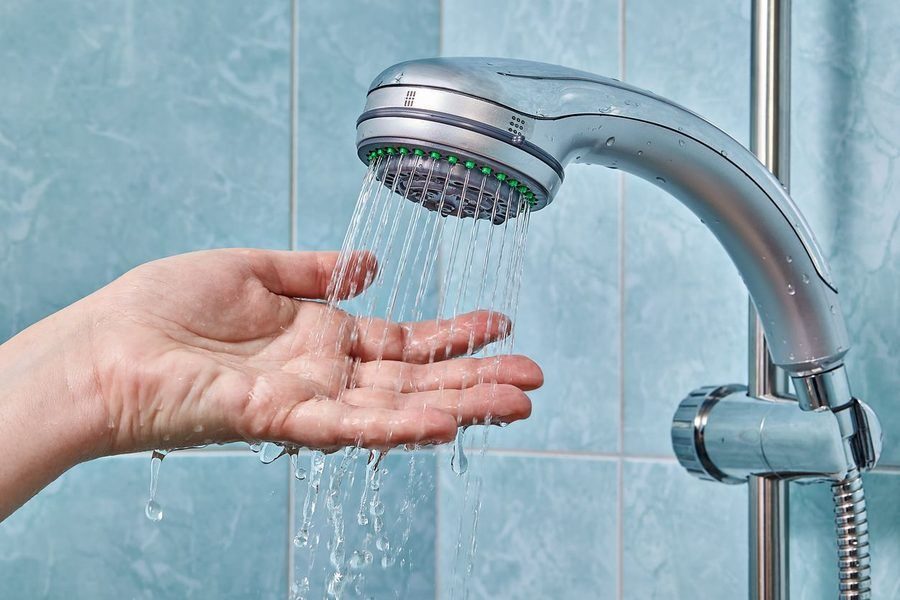
Turning on your kitchen faucet or stepping into the shower only to get a weak, frustrating trickle is one of the most annoying household issues. When water pressure drops across your living spaces, simple tasks like washing dishes, running a load of laundry, or taking a quick morning shower become exhausting chores.
If you live in Rock Hill, Charlotte, Fort Mill, or the surrounding Metrolina region, persistent low water pressure is a common headache. But why does it happen? Is it a municipal utility issue, an aging pipe network, or a hidden component failure inside your home? Full Spectrum Plumbing Services has been delivering trusted residential and commercial plumbing solutions across South Carolina and North Carolina for years. This guide breaks down the root causes of low water pressure in our area, how to spot the difference between localized and system-wide pressure loss, and how to restore clean, strong water flow to your home.
Water Volume vs. Water Pressure: What’s the Difference?
Before diving into specific causes, it helps to distinguish between two terms that are frequently confused: water volume and water pressure.
-
Water Pressure (Measured in PSI – Pounds per Square Inch): This represents the force that pushes water through your supply lines and out of your taps. Standard residential water pressure typically falls between 40 and 60 PSI.
-
Water Volume (Measured in GPM – Gallons per Minute): This is the physical quantity of water flowing out of a fixture during a specific timeframe.
When your pipes become constricted or corroded on the inside, the incoming pressure might technically read 50 PSI, but the restricted line chokes the volume down to a trickle. Identifying whether you have a force issue (pressure) or a flow restriction issue (volume) is the first step toward a permanent fix.
6 Common Causes of Low Water Pressure in Charlotte & Rock Hill Homes
Low water pressure rarely happens without a reason. Across York County and Mecklenburg County, plumbing systems face specific regional and structural stressors that degrade water flow over time.
1. A Failing Pressure Reducing Valve (PRV)
Most modern homes in Rock Hill and Charlotte feature a Pressure Reducing Valve (PRV) installed where the main water line enters the foundation or near the shut-off meter. The PRV’s job is to throttle down incoming municipal water pressure (which can spike above 80 to 100 PSI) to a safe, residential level of 50 to 60 PSI.
When a PRV’s internal spring or diaphragm wears out or clogs with sediment, it often fails in a closed or partially restricted position. This causes a sudden, dramatic drop in water pressure across your entire home.
2. Mineral Scale and Corrosion in Legacy Galvanized Pipes
Many older neighborhoods in Charlotte and historic sections of Rock Hill still contain homes built with galvanized steel supply pipes. Over decades of continuous exposure to municipal water, the zinc coating inside galvanized pipes wears away. The underlying iron reacts with minerals, forming heavy internal rust, tuberculation, and limescale buildup.
Over time, an original 3/4-inch pipe can become constricted to the diameter of a drinking straw, choking off water volume to your fixtures.
3. Hidden Main Water Line Leaks
If your water pressure drops suddenly and your water utility bill shoots up unexpectedly, you may have an underground water line leak. The main service line running from your street meter to your home sits several feet below ground.
Soil shifts, invasive tree roots, or ground freezing can crack or shear underground supply pipes. As gallons of water leak into the surrounding soil, less water volume reaches your indoor faucets, creating a noticeable drop in pressure.
4. Municipal Supply Drops and Elevation Factors
Sometimes, the issue originates outside your property line:
-
High Municipal Demand: During peak summer hours when entire neighborhoods are running irrigation systems, municipal water pressure can experience temporary drops.
-
Neighborhood Elevation: Homes situated at the top of a hill naturally experience slightly lower water pressure than homes at the base of the slope due to the gravitational force required to push water uphill.
5. Clogged Water Filtration Systems and Softeners
Whole-home water filtration units, sediment pre-filters, and water softeners are great for water quality, but they require routine maintenance. If a sediment filter becomes packed with dirt or a water softener’s resin bed breaks down, it acts like a physical dam in your main supply line, causing severe pressure loss across all taps.
6. Mineral-Clogged Fixture Aerators and Showerheads
If low water pressure affects only one specific faucet or showerhead while the rest of the house has strong flow, the issue is localized. Hard water minerals, pipe rust flakes, and municipal sediment frequently collect behind the tiny mesh aerators screwed onto the ends of faucets. Simply unscrewing and cleaning out the aerator often restores full flow instantly.
Diagnostic Steps: Isolating Your Pressure Issue
Before calling for professional repairs, run through these quick diagnostic checks to pinpoint the scope of the problem:
-
Is it hot water only, or cold water too? If low pressure only occurs when running hot water, the bottleneck is isolated to your water heater, likely due to heavy sediment buildup at the bottom of the tank or a partially closed cold water inlet valve.
-
Is it one fixture, or the whole house? Check every sink, shower, and outdoor spigot. Whole-home pressure loss points to main valves, PRVs, or main line leaks. Single-fixture pressure loss points to clogged aerators or failing cartridge valves.
-
Check the Main Water Shut-Off Valves: Ensure both your street meter valve and your indoor main shut-off valve (usually a lever-style ball valve near the water heater or garage) are turned 100% open. A partially closed main valve will severely restrict water volume.
How Professional Plumbers Restore Your Water Flow
Fixing persistent low water pressure requires accurate diagnostic tools and code-compliant trade execution.
-
Precision Gauge Testing: A licensed plumber installs pressure gauges at multiple access points to measure static and dynamic water pressure, verifying if your PRV is properly calibrated.
-
PRV Replacement: Replacing a worn-out pressure reducing valve instantly restores safe, consistent water pressure throughout your residence.
-
Acoustic Leak Detection: If an underground main line leak is suspected, plumbers use non-invasive acoustic leak detectors and ground sensors to locate pipe breaks precisely before digging.
-
Targeted Supply Repiping: For homes choked by corroded galvanized piping, upgrading main distribution lines to high-durability PEX or copper restores factory-fresh water volume and protects your property asset for decades.
Enjoy Strong, Reliable Water Pressure Every Day
Taking a proactive approach to your home’s water pressure is the best way to avoid sudden pipe bursts, protect water-using appliances, and restore daily comfort to your routine. While cleaning out a clogged faucet aerator is a simple DIY task, replacing main pressure valves, diagnosing underground leaks, and repiping distribution lines requires commercial tools, municipal permitting, and master-level trade expertise.
Don’t spend another day putting up with a weak trickle when you shower or wash dishes. Investing in a professional plumbing evaluation ensures your home’s water system runs safely, cleanly, and efficiently through every season.
Contact us today to schedule your plumbing service!
Recent Posts
Is Your Plumbing Ready for a Charlotte Winter? A Fall Checklist

How Much Does Well Pump Replacement Cost? What Homeowners Should Know
When Should Rock Hill Homes Use Hydro Jetting Instead of Standard Drain Cleaning?
Have a Question?
Fill out this form and our team will get back to you as soon as possible.
Book Online in minutes
Schedule service for your home Today
Schedule service with Full Spectrum Plumbing today and take the stress out of home repairs. Our experienced team is ready to deliver fast, reliable solutions whenever you need us.