
Proudly Serving the Rock Hill, Charlotte, and Surrounding Areas

When Should Rock Hill Homes Use Hydro Jetting Instead of Standard Drain Cleaning?
A clogged drain does not always require the same solution. A simple hair clog in a bathroom sink may respond well to standard drain cleaning, while a sewer line with years of grease, sludge, or other buildup may need a more thorough approach. When Rock Hill homeowners experience recurring clogs or widespread drainage problems, hydro jetting may be one option worth considering.
Hydro jetting uses high-pressure water to clean buildup from inside suitable drain and sewer pipes. Unlike some standard drain cleaning methods that primarily clear a pathway through an obstruction, hydro jetting can remove material coating the interior walls of a pipe. However, it is not necessary or appropriate for every clogged drain. The right choice depends on what is causing the blockage and the condition of the plumbing.
What Is Hydro Jetting?
Hydro jetting is a professional drain and sewer cleaning method that uses specialized equipment to direct high-pressure water through plumbing lines. The water can break apart and flush away certain types of grease, sludge, sediment, and other accumulated material.
A plumber selects equipment, nozzles, and operating pressure appropriate for the plumbing and the material being removed. The goal is to restore flow while cleaning buildup from the inside of the line.
Depending on the situation, a sewer camera inspection may be recommended before hydro jetting to identify the obstruction and evaluate the condition of the pipe.
What Is Standard Drain Cleaning?
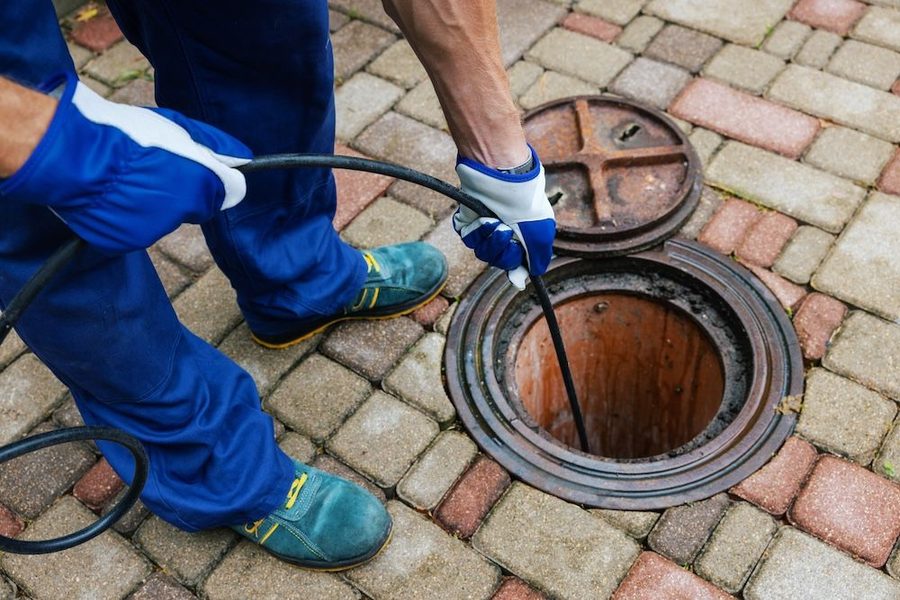
Standard drain cleaning often involves a mechanical drain snake or auger. A flexible cable travels through the drain to break through, retrieve, or otherwise address an obstruction.
Drain snaking can be highly effective for localized clogs such as:
-
Hair buildup
-
Soap and debris
-
Certain foreign objects
-
Localized sink or tub blockages
-
First-time or isolated drain clogs
For these problems, hydro jetting may provide more cleaning than the drain actually needs.
What Is the Difference Between Hydro Jetting and Standard Drain Cleaning?
The main difference between hydro jetting and standard drain cleaning is how each method addresses material inside the pipe.
Standard drain cleaning uses mechanical equipment to address an obstruction. It can be an effective choice when the goal is to clear a specific clog and restore drainage.
Hydro jetting uses high-pressure water to remove suitable buildup from a larger portion of the pipe’s interior. It may be more useful when grease, sludge, or other material has accumulated along the pipe walls.
Neither method is automatically better. A plumber should choose the technique based on the type of blockage, its location, and the condition of the plumbing.
1. The Same Drain Keeps Clogging
One of the biggest reasons to consider hydro jetting is a drain that repeatedly becomes clogged.
If standard drain cleaning restores flow but the problem keeps returning, material may remain along the inside of the pipe. Each time wastewater passes through, additional debris can collect on that buildup until another blockage forms.
Why Hydro Jetting May Help Recurring Clogs
When recurring clogs are caused by removable buildup, hydro jetting may clean more of the pipe than simply creating an opening through the obstruction.
However, repeated clogs can also result from damaged pipes, improper drainage, root intrusion, or other plumbing problems. Diagnosis should come before deciding that hydro jetting is the answer.
2. Multiple Drains Are Slow or Backing Up
One slow sink often points to a localized problem. When multiple drains become slow or begin backing up, the obstruction may be deeper within a branch drain or the home’s main sewer line.
Possible causes can include:
-
Heavy buildup
-
A significant blockage
-
Tree root intrusion
-
Damaged sewer piping
-
Other problems affecting the main drainage system
Hydro jetting may be appropriate if an inspection shows that removable buildup is restricting a structurally sound line. If the pipe is cracked, collapsed, or otherwise damaged, cleaning alone will not solve the underlying problem.
3. Grease and Sludge Have Built Up Inside the Pipes
Kitchen drain lines can develop stubborn buildup when fats, oils, grease, food residue, soap, and other material accumulate inside the plumbing.
Grease is particularly troublesome because it can adhere to pipe walls. Additional debris may then stick to that layer and gradually restrict the opening.
A drain snake may create a passage through some blockages without removing all of the material coating the pipe. When grease or sludge is responsible for recurring problems, hydro jetting can provide a more thorough cleaning of suitable pipes.
Prevention still matters. Fats, oils, and grease should not be intentionally poured down household drains, even if followed with hot water.
4. The Drain Line Has Significant Mineral or Scale Buildup
Minerals can sometimes form deposits inside plumbing lines. Over time, enough accumulation may reduce the usable interior diameter of the pipe and contribute to slower drainage.
Certain deposits may respond to professional hydro jetting, depending on their composition and severity.
However, heavily hardened scale may not always be completely removable through jetting. Pipe material and condition also matter, so a professional evaluation is important before selecting a cleaning method.
5. Your Main Sewer Line Has Heavy Buildup
Hydro jetting can be particularly useful when the main sewer line has accumulated substantial removable material.
A main sewer line carries wastewater from multiple fixtures, so problems can affect several areas of the home. Warning signs may include recurring drain backups, several slow drains, or unusual drainage behavior throughout the house.
A sewer camera inspection can help determine whether buildup is responsible and whether the pipe is in suitable condition for hydro jetting.
If the line is structurally sound, jetting may remove accumulated grease, sludge, and debris more thoroughly than simply opening a narrow passage through a blockage.
6. Tree Roots Are Affecting the Sewer Line
Tree roots can enter sewer lines through cracks, failed joints, and other openings. Once inside, they can continue growing and collect debris, eventually restricting wastewater flow.
Specialized professional equipment may be able to remove some root intrusion, and hydro jetting may be part of the cleaning process depending on the condition of the line.
Hydro Jetting Does Not Repair Root-Damaged Pipes
Removing roots restores flow, but it does not close the opening that allowed the roots into the sewer line.
If roots have entered through damaged piping or failed joints, sewer repair or replacement may be necessary to address the underlying structural problem and reduce the likelihood of recurrence.
When Is Standard Drain Cleaning the Better Choice?
Hydro jetting is not the default solution for every drain problem. Standard drain cleaning may be more appropriate when you have a simple, isolated clog that can be effectively addressed with mechanical equipment.
Examples can include a bathroom drain clogged with hair or a localized obstruction affecting only one fixture.
Certain solid objects may also need to be retrieved or addressed mechanically rather than pushed or flushed farther through the plumbing.
A good drain cleaning strategy uses the method that fits the actual problem instead of automatically choosing the most intensive option.
Is Hydro Jetting Safe for Old Pipes?
Hydro jetting can be used safely with many plumbing systems when the pipes are in appropriate condition and the work is performed correctly. However, older pipes should be evaluated before high-pressure cleaning is performed.
Potential concerns include:
-
Severe corrosion
-
Cracks
-
Deteriorated pipe material
-
Failed joints
-
Existing structural damage
A sewer camera inspection can provide valuable information about the line before cleaning begins.
Professional pressure selection also matters. Hydro jetting is not simply about using the highest pressure possible. The equipment and technique should be appropriate for the pipe material, condition, diameter, and obstruction.
Can Hydro Jetting Damage Pipes?
Improperly performed hydro jetting can potentially damage plumbing that is already compromised or unsuitable for the procedure. That is one reason hydro jetting should be performed by trained plumbing professionals rather than treated as a DIY drain cleaning method.
If inspection reveals that a pipe is severely deteriorated, cracked, or structurally failing, repair may be a better solution than aggressive cleaning.
The objective is to safely remove buildup, not force a damaged pipe to withstand a cleaning method it cannot handle.
Do You Need Hydro Jetting or Sewer Repair?
The distinction comes down to whether the primary problem is inside the pipe or with the pipe itself.
Hydro jetting may be appropriate when:
-
The pipe is structurally sound
-
Grease or sludge has accumulated
-
Removable deposits restrict flow
-
Recurring clogs are caused by buildup
Sewer repair may be necessary when:
-
A pipe is cracked or collapsed
-
Sections are severely deteriorated
-
Pipe joints have failed
-
Structural defects are allowing repeated root intrusion
-
The sewer line has other significant physical damage
Hydro jetting can clean a pipe, but it cannot repair structural defects.
How Often Should You Hydro Jet Your Drains?
Most homeowners do not need hydro jetting on an arbitrary schedule.
How often it makes sense depends on the plumbing system, household usage, previous drain problems, and tendency for buildup to return. Some properties with known recurring grease or sludge problems may benefit from preventive cleaning, while many homes may rarely need hydro jetting.
Rather than scheduling hydro jetting automatically every year, base the decision on the condition and history of your plumbing.
Is Hydro Jetting Worth It for a Rock Hill Home?
Hydro jetting can be worth considering when a Rock Hill home has recurring drain clogs, substantial grease or sludge buildup, or a sewer line that requires more thorough cleaning than standard drain snaking can provide.
For a simple, isolated clog, standard drain cleaning may be all that is necessary. If the pipe is damaged, hydro jetting alone will not solve the problem.
The best approach is to diagnose the cause first and then choose the cleaning or repair method that addresses it.
How Can You Reduce Future Drain Buildup?
Good drain habits can reduce the likelihood of stubborn buildup and recurring clogs.
-
Keep fats, oils, and grease out of kitchen drains
-
Use appropriate drain screens to catch hair and debris
-
Do not flush wipes or other non-flushable materials
-
Address slow drains before they become complete blockages
-
Have recurring clogs professionally diagnosed
Avoid relying on harsh chemical drain cleaners as a routine solution. They may create safety concerns and can be inappropriate for certain plumbing systems.
Hydro Jetting vs. Standard Drain Cleaning: Which Does Your Home Need?
Standard drain cleaning is effective for many isolated household clogs, while hydro jetting may be better suited to recurring problems caused by grease, sludge, and extensive buildup inside suitable pipes.
If the same drain repeatedly clogs or several fixtures are affected, identifying the cause is more valuable than repeatedly clearing the symptoms. A sewer camera inspection may reveal whether the problem is buildup, root intrusion, or structural damage.
Hydro jetting can provide thorough pipe cleaning, but it cannot repair a damaged sewer line.
Schedule Drain Cleaning With Full Spectrum Plumbing in Rock Hill
If you are dealing with recurring clogs, slow drains, or sewer backups, Full Spectrum Plumbing can help determine what is happening inside your plumbing before recommending a solution.
From standard drain cleaning and hydro jetting to sewer camera inspections and necessary repairs, the right approach depends on the type of obstruction and condition of your pipes.
Contact Full Spectrum Plumbing today to schedule drain or sewer service in Rock Hill and find the right solution for stubborn plumbing problems.
Recent Posts
Is Your Plumbing Ready for a Charlotte Winter? A Fall Checklist

How Much Does Well Pump Replacement Cost? What Homeowners Should Know
Why So Many Charlotte Homes Need Their Water Pipes Replaced
Have a Question?
Fill out this form and our team will get back to you as soon as possible.
Book Online in minutes
Schedule service for your home Today
Schedule service with Full Spectrum Plumbing today and take the stress out of home repairs. Our experienced team is ready to deliver fast, reliable solutions whenever you need us.