
Proudly Serving the Rock Hill, Charlotte, and Surrounding Areas

Is Your Plumbing Ready for a Charlotte Winter? A Fall Checklist
Full Guarantee, Full Service, Full Spectrum Plumbing.
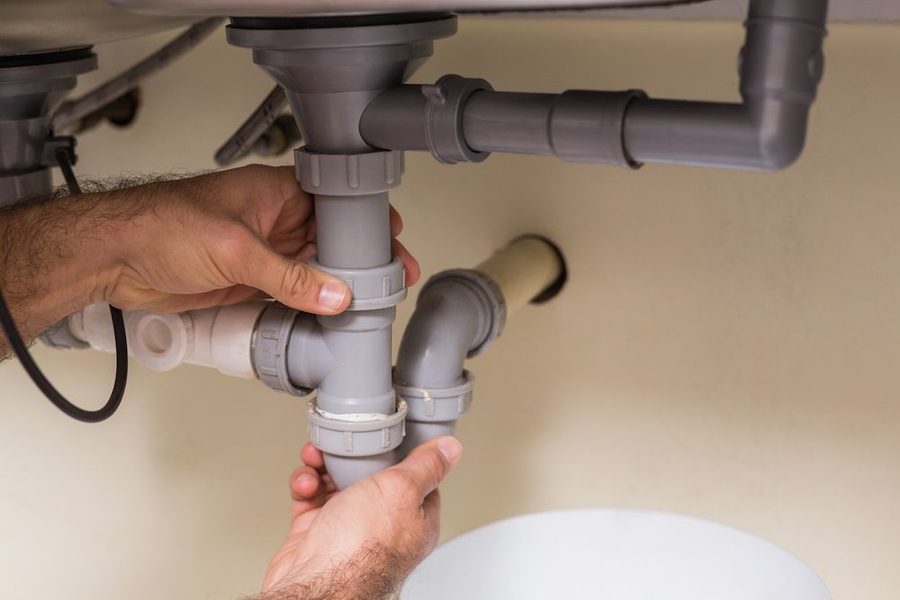
Charlotte winters may be milder than winters farther north, but freezing temperatures can still create problems for household plumbing. Pipes in crawl spaces, garages, exterior walls, and other vulnerable areas can be especially susceptible when temperatures drop.
Fall gives homeowners an opportunity to find leaks, inspect outdoor plumbing, check the water heater, and address other concerns before the first significant cold snap. Use this fall plumbing checklist to help prepare your Charlotte home for winter.
How Do You Prepare Your Plumbing for Winter in Charlotte?
To prepare your Charlotte plumbing for winter, disconnect outdoor hoses, inspect exterior faucets, identify and protect vulnerable pipes, repair existing leaks, locate your main water shutoff, check your water heater, and address slow drains or other plumbing problems before freezing weather arrives.
Every home is different, so the amount of winter preparation you need depends on your plumbing layout, pipe locations, and existing condition.
1. Disconnect Your Garden Hoses
One of the simplest fall plumbing tasks is also one of the easiest to forget.
Disconnect garden hoses from outdoor faucets before freezing weather. Leaving a hose attached can interfere with proper drainage from certain exterior faucets, potentially leaving water where freezing temperatures can cause problems.
Drain and store your hoses appropriately so they are ready for spring.
Even if you have frost-resistant outdoor faucets, do not assume they eliminate every possibility of freezing. Proper installation, drainage, and use still matter.
2. Check Outdoor Faucets for Problems
While disconnecting your hoses, inspect the faucets themselves.
Look for:
-
Persistent dripping
-
Visible cracks or damage
-
Loose components
-
Water appearing where it should not
-
A faucet that will not shut off completely
A leaking outdoor faucet should be addressed rather than left until winter. If your home has a separate shutoff for exterior plumbing, follow the appropriate procedure for your particular system.
3. Identify Pipes Vulnerable to Freezing
Not every pipe in your Charlotte home faces the same exposure to cold.
Pay particular attention to plumbing located in:
-
Crawl spaces
-
Garages
-
Unheated utility areas
-
Near exterior walls
-
Areas exposed to drafts
-
Other poorly protected spaces
Because Charlotte does not experience prolonged deep freezes every winter, it can be easy to overlook these areas. However, pipes can still freeze when the right combination of low temperatures and exposure occurs.
Fall is the time to identify vulnerable plumbing rather than discovering it during a freeze.
4. Insulate Exposed Pipes Where Appropriate
Pipe insulation can help reduce heat loss and provide additional protection for plumbing in colder areas of your home.
Accessible pipes in crawl spaces, garages, or other vulnerable locations may benefit from appropriate insulation. Reducing drafts and maintaining adequate indoor temperatures can also play a role in protecting plumbing.
Keep in mind that insulation does not make a pipe freeze-proof. It is one part of winter preparation rather than a guarantee against frozen plumbing.
5. Repair Plumbing Leaks
Do not head into winter with plumbing leaks you already know about.
Take a look beneath sinks, around toilets, near exposed pipes, around visible connections, and near your water heater.
Warning signs can include:
-
Visible moisture
-
Water stains
-
Musty odors
-
Corrosion around connections
-
Dripping sounds
-
Unexplained changes in water use
Not every plumbing leak is immediately obvious. If you suspect hidden water loss or repeatedly notice unexplained moisture, professional leak detection may help locate the source.
6. Know Where Your Main Water Shutoff Is
If a pipe bursts, knowing how to stop the flow of water quickly can help limit damage.
Before winter, locate your home’s main water shutoff and make sure it is accessible. Other members of the household should know where it is as well.
If the valve looks badly corroded, damaged, or stuck, do not force it just to see whether it works. A plumber can evaluate a questionable shutoff and recommend repair or replacement when necessary.
The middle of a plumbing emergency is not the ideal time to discover that you cannot shut off your water.
7. Give Your Water Heater Some Attention
Your water heater works throughout the year, but reliable hot water can become even more noticeable as temperatures drop.
Fall is a good time to look for signs that the equipment may need service, including:
-
Water around the unit
-
Visible corrosion
-
Unusual popping or rumbling
-
Inconsistent water temperature
-
Less available hot water than usual
-
Changes in performance
Maintenance requirements vary depending on the water heater. Traditional storage tanks and tankless systems do not have identical maintenance needs.
For older tank water heaters with an unknown maintenance history, do not assume aggressive flushing is automatically appropriate. Professional evaluation can help determine what maintenance makes sense based on the equipment’s condition.
8. Remember Tankless Water Heater Maintenance
Tankless water heaters do not store a large tank of heated water, but that does not make them maintenance-free.
Mineral scale can accumulate within water-contact components, including the heat exchanger. Depending on water conditions and manufacturer recommendations, periodic cleaning or descaling may be appropriate.
If your tankless unit has begun delivering inconsistent temperatures or showing other changes in performance, have the problem evaluated rather than waiting for winter demand to make it more noticeable.
9. Take Care of Slow Drains Before Winter
A drain that is already moving slowly is unlikely to become more convenient when holiday cooking, guests, and additional time at home increase plumbing use.
Address slow or recurring drains before they develop into a more disruptive backup.
A single slow fixture may have a localized clog. Multiple slow drains, gurgling fixtures, or recurring backups can point to a problem farther down the drain or sewer system.
Instead of repeatedly relying on chemical drain cleaners, consider professional drain cleaning or an inspection when problems keep returning.
10. Check for Running Toilets
Listen for toilets that continue running after they should have finished filling.
Frequent cycling, unexpected refilling, or water that continually moves inside the bowl can indicate worn or malfunctioning components.
Also check around the toilet for visible moisture. Water near the base deserves investigation, especially if it repeatedly returns after being wiped away.
11. Check Your Sump Pump If You Have One
Not every Charlotte home has a sump pump, but homeowners who rely on one should include it in their fall checklist.
Make sure the area around the pump is clear and look for obvious signs of damage or trouble. If you are uncertain whether the system is operating properly, professional evaluation can provide a clearer answer.
A sump pump can help manage water in appropriate applications, but it is not a universal solution for every basement or crawl-space moisture problem.
12. Have a Plan for Freezing Weather
When freezing temperatures are forecast, maintain adequate indoor heat and pay particular attention to plumbing in vulnerable areas.
Where it can be done safely, opening cabinet doors beneath sinks near exterior walls may allow warmer indoor air to circulate around the plumbing.
If you suspect a frozen pipe because little or no water comes from a fixture during freezing conditions, use caution. Never use an open flame to thaw a pipe.
If a pipe bursts, shut off the main water supply when it is safe to do so and contact a plumber.
Get Your Charlotte Plumbing Ready for Winter
Fall plumbing maintenance is about finding vulnerabilities while you still have time to address them. Disconnect hoses, inspect outdoor faucets, protect exposed plumbing, repair leaks, locate your shutoff valve, and make sure your water heater and drains are working properly.
Full Spectrum Plumbing can help Charlotte homeowners prepare their plumbing for colder weather with leak repair, water heater service, drain cleaning, plumbing inspections, and other professional plumbing solutions. Contact our team to schedule fall plumbing service before winter arrives.
Recent Posts

How Much Does Well Pump Replacement Cost? What Homeowners Should Know
When Should Rock Hill Homes Use Hydro Jetting Instead of Standard Drain Cleaning?
Why So Many Charlotte Homes Need Their Water Pipes Replaced
Have a Question?
Fill out this form and our team will get back to you as soon as possible.
Book Online in minutes
Schedule service for your home Today
Schedule service with Full Spectrum Plumbing today and take the stress out of home repairs. Our experienced team is ready to deliver fast, reliable solutions whenever you need us.