
Proudly Serving the Rock Hill, Charlotte, and Surrounding Areas

What Type of Water Filtration System Do I Need in Charlotte, NC?
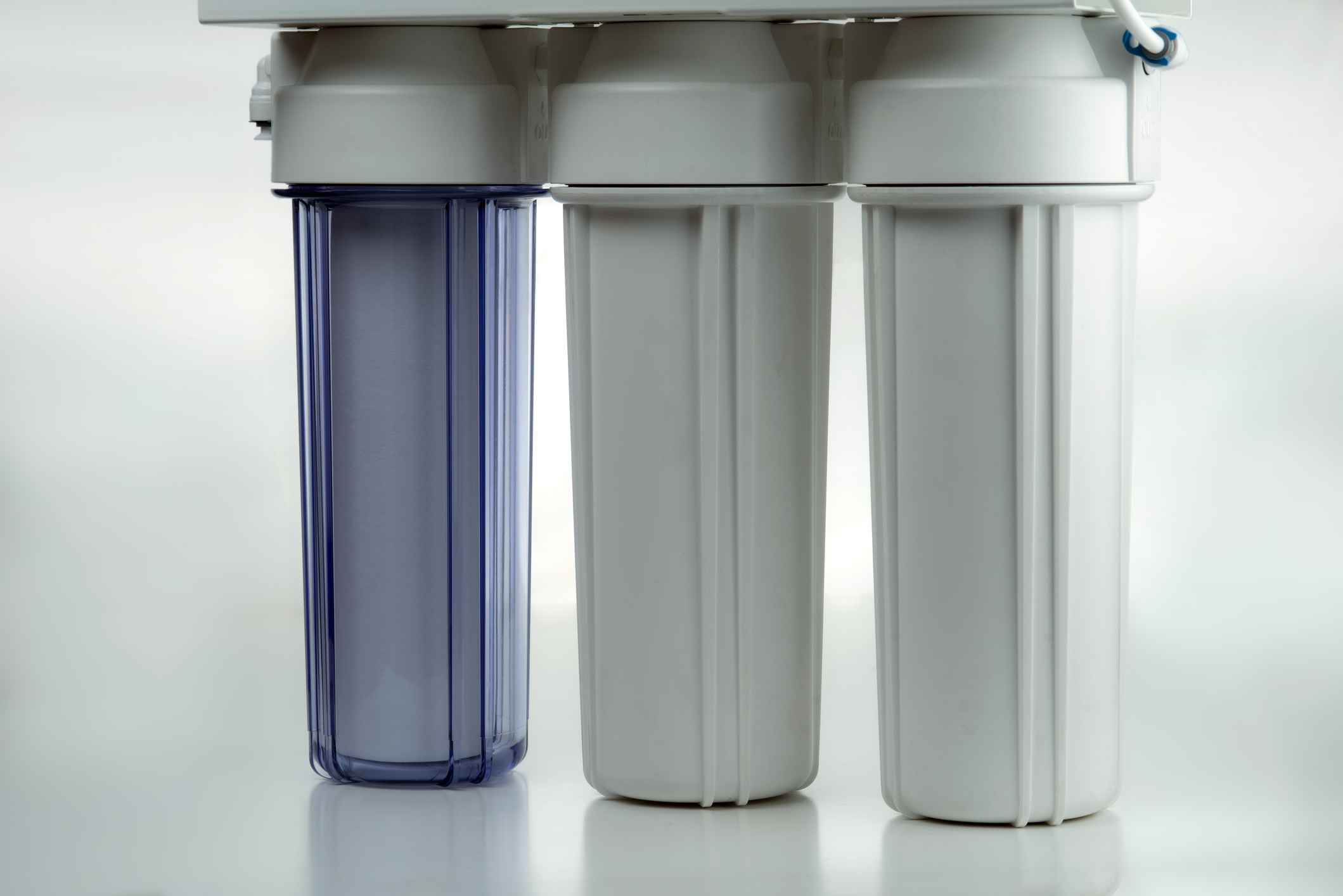
If you’ve been researching water filtration systems in Charlotte, you’ve probably run into a frustrating problem: everyone seems to recommend something different.
One company says you need a water softener. Another says you need a whole-house filtration system. Meanwhile, you’re noticing chlorine smells, hard water buildup on your fixtures, dry skin after showers, or you’re simply wondering whether your family’s water is as clean as it could be. Figuring out which system solves your problem, without paying for equipment you don’t need, is easier said than done.
At Full Spectrum Plumbing Services, we’ve helped homeowners throughout Charlotte, Mecklenburg County, Union County, and the surrounding areas find the right water treatment solutions for their homes. And the biggest thing we’ve learned? There’s no one-size-fits-all answer. The best solution depends on your water source, your location, and the specific issues present in your water.
That said, here’s the short answer: most Charlotte homeowners on city water benefit from a whole-house carbon filtration system designed to remove chloramines. Homes in Union County often need a water softener due to harder water, and homeowners on private wells should always start with professional water testing before buying any equipment.
In this guide, we’ll walk you through the most common water quality issues in the Charlotte area, compare the available filtration systems, break down costs, and help you choose the right solution for your home.
| If You Have… | You Probably Need… |
| Chlorine/chloramine smell | Whole-house carbon filter |
| Hard water | Water softener |
| Sulfur smell or rust stains | Iron/sulfur filter |
| Bacteria concerns | UV light system |
| Sediment or grit | Sediment filter |
| Well water | Water testing first |
First: Who Supplies Your Water?
Charlotte Water is the largest public water and wastewater utility in North Carolina, serving most of Mecklenburg County. But not every Charlotte-area home is on Charlotte Water.
A few things worth knowing before you buy any filtration system:
- Parts of Ballantyne and other areas around Charlotte are served by private providers like Carolina Water Service, not Charlotte Water. Your water quality profile and treatment chemistry may differ. Check your water bill if you’re not sure.
- Some homes in the greater Charlotte area are on private wells, particularly in more rural parts of the county and neighboring Union County. Well water has a completely different filtration playbook. See the section below.
- Union County residents served by Union County Public Works face a different challenge: Union County water is notably harder than Mecklenburg’s supply, making a water softener a much higher priority.
If you’re not sure who your water provider is or what’s in your water, a professional water test is always the right starting point.
What Problems Are Common in Charlotte’s Water?
Charlotte Water draws from the Catawba River. It’s treated, tested, and meets federal safety standards. But “safe to drink” and “good for your home” are two different things.
Here’s what Charlotte and Mecklenburg County homeowners commonly deal with:
Does Charlotte Water Use Chloramines?
Yes. Charlotte Water uses chloramines (a blend of chlorine and ammonia) to disinfect the supply. Chloramines are harder to remove than plain chlorine, meaning a standard pitcher filter won’t cut it. You need a whole-house carbon system specifically rated for chloramines.
Is Charlotte Water Hard?
Mecklenburg County water is generally considered soft to moderately hard. It’s not typically a severe problem, but mineral buildup can still affect water heaters and appliances over time.
Why Is Union County Water Harder?
If you’re in Union County (Waxhaw, Indian Trail, Stallings, Monroe), your water supply comes from different sources that naturally contain more dissolved minerals. Because of this, a water softener moves from “nice to have” to “strongly recommended.”
Can Older Pipes Cause Iron or Sulfur Smells?
Absolutely. Homes in older neighborhoods like Plaza Midwood, Dilworth, and NoDa with aging infrastructure can sometimes pick up iron or sulfur odors as water sits in or travels through older pipes.
Why Am I Seeing Sediment in My Water?
Sediment can occasionally be stirred up by aging municipal pipes, local construction, or routine fire hydrant flushing. If your pressure fluctuates or you’ve noticed grit in your aerators, sediment from aging mains or the Catawba itself may be reaching your home. Persistent sediment might require a dedicated inline filter to protect your home’s plumbing fixtures.
Can Bacteria Get Into Charlotte Water?
While uncommon, municipal water systems are not immune to contamination. In April 2026, Kannapolis issued a boil-water advisory after E. coli was detected in the municipal water supply. Events like this are a reminder that extra protection is never a bad idea.
April 2026: The City of Kannapolis issued a boil water advisory after E. coli was detected in the municipal water system. While Charlotte Water has a strong safety record, no city water system is guaranteed to be bacteria-free at all times.
Water Filtration System Pricing in Charlotte, NC
Here are the real costs for different systems. These include equipment and professional installation. Cost varies based on home size, filtration needs, and installation requirements.
| System | What It Removes | Investment |
| Whole-House Filtration System / Softener | Chlorine, chloramines, Hardness | $2,855–$7,404 |
| Sediment Filter | Particles & sediment | $504–$840 |
| Reverse Osmosis (R.O.) Under-Sink System | 99.9% of impurities | $1,497–$3,322 |
| UV Light System (requires soft water first) | Bacteria & microorganisms | $1,703–$3,454 |
How We Got These Numbers
The pricing in this guide is based on real water filtration installations completed in the Charlotte area, not national averages or lead-generation websites.
What Drives the Cost of a Water Filtration System?
The biggest factors affecting water filtration costs are home size, system quality, installation requirements, and the type of filtration equipment needed.
You’re on Charlotte City Water and Smell or Taste Chlorine
If your water smells or tastes like chlorine, a whole-house carbon filtration system is typically the most effective solution for removing chloramines throughout the home.
You Have Hard Water (Especially Union County Residents)
If you’re dealing with mineral buildup, hard water stains, or scale inside appliances, a whole-house water softener is usually the best solution.
For many Charlotte-area homeowners, a Softener + Carbon Filter Combo is the most complete solution because it addresses both chloramines and hardness in one system.
You Want Protection Against Bacteria (UV Light System)
A UV light system provides an additional layer of protection against bacteria and microorganisms but requires soft water to work effectively.
You Have a Sulfur Smell (“Rotten Egg” Odor) or Rust Stains
Rust stains, metallic tastes, and sulfur odors typically require specialized filtration designed specifically for iron and sulfur removal.
You Want the Cleanest Possible Drinking Water at the Tap
A reverse osmosis (R.O.) system provides the highest level of drinking water filtration and removes up to 99.9% of impurities.
You Noticed Grit, Sand, or Particle Buildup in Your Aerators
If sediment is reaching your fixtures, a sediment filter can help protect plumbing components, appliances, and water-using equipment.
What Filtration System Do Homes on Well Water Need?
Well water requires a completely different filtration approach because water quality varies significantly from property to property.
What’s Different About Well Water
Most well water systems prioritize hardness treatment, sediment filtration, and water testing rather than chloramine removal.
The most important step for any well owner is professional water testing before purchasing filtration equipment.
Can Chloramines Affect Your Hair, Skin, and Home?
Chloramines can affect more than drinking water; they can influence your overall experience with showering, cleaning, laundry, and water use throughout the home.
Can Chloramines Affect Your Skin and Hair?
Some homeowners notice drier skin or less manageable hair, making comfort concerns one of the most common reasons people consider whole-house filtration.
Why Do Some People Notice a Stronger Chemical Smell in the Shower?
Warm water and steam can make chloramine odors more noticeable in the shower than at the kitchen sink.
Can Chloramines Affect Laundry and Household Cleaning?
Water quality issues can affect fabrics, cleaning performance, and the overall feel of water used throughout the home.
Why Some Homeowners Choose Whole-House Filtration
Many homeowners choose whole-house filtration to improve water quality at every faucet, shower, and appliance, not just for drinking water.
What Can Bad Water Do to Your Plumbing and Appliances?
Poor water quality can shorten the lifespan of water heaters, fixtures, pipes, and household appliances.
What You Can Do Right Now (5-Minute Check)
A few simple observations can help identify whether you’re dealing with chloramines, hard water, sediment, sulfur, or another water quality issue.
Quick Filtration Decision Guide
The right filtration system depends on your water supplier, where you live, and the specific water quality issues affecting your home.
Bring Clear, Clean Water to Your Charlotte Home
Once you understand what’s in your water, choosing the right filtration system becomes much easier. The best next step is to identify your water provider, recognize the warning signs in your home, and test your water before investing in equipment. The most effective filtration system is the one that addresses your home’s specific water quality challenges, not a one-size-fits-all solution.
Ready to experience the difference that pure, high-quality water can make? Contact Full Spectrum Plumbing to schedule your water filtration assessment. Let’s get your home’s water running flawlessly!
Recent Posts
Is Your Plumbing Ready for a Charlotte Winter? A Fall Checklist

How Much Does Well Pump Replacement Cost? What Homeowners Should Know
When Should Rock Hill Homes Use Hydro Jetting Instead of Standard Drain Cleaning?
Have a Question?
Fill out this form and our team will get back to you as soon as possible.
Book Online in minutes
Schedule service for your home Today
Schedule service with Full Spectrum Plumbing today and take the stress out of home repairs. Our experienced team is ready to deliver fast, reliable solutions whenever you need us.