
Proudly Serving the Rock Hill, Charlotte, and Surrounding Areas

Professional Drain Cleaning in Rock Hill, Fort Mill & Charlotte
Full Guarantee, Full Service, Full Spectrum Plumbing.
A clogged drain can interrupt your kitchen, bathroom, laundry room, or entire plumbing system. While some blockages develop close to an individual fixture, others form deeper inside a branch drain or the main sewer line. The location and cause of the clog determine which drain-cleaning method will provide the most effective result.
Full Spectrum Plumbing Services provides professional drain cleaning throughout Rock Hill and Fort Mill, SC, Charlotte, NC, and surrounding communities. Our plumbers inspect the affected fixtures, evaluate how the drains are behaving, and select the appropriate equipment for the type and location of the blockage.
Whether you have one slow sink or wastewater backing up through multiple drains, our team can identify the appropriate next step and explain your options before completing the approved work.

Drain Cleaning for Clogged and Slow Drains
Drain lines collect soap residue, grease, food particles, hair, mineral deposits, and other materials during everyday use. Over time, this buildup can narrow the inside of the pipe and make it easier for additional debris to become trapped.
Professional drain cleaning removes the obstruction and restores flow through the affected line. Depending on the condition of the drain, Full Spectrum may use cable equipment, specialized cutting attachments, high-pressure water, or another method suited to the piping and blockage.
We provide drain cleaning for:
-
Bathtubs and showers
-
Toilets
-
Laundry drains
-
Floor drains
-
Utility sinks
-
Branch drain lines
-
Commercial drains
The goal is not simply to create a small opening through the clog. Our plumbers work to clear the affected section as thoroughly as the pipe condition and cleaning method allow.
Signs You May Need Professional Drain Cleaning
Drain problems often begin gradually. A sink may empty a little more slowly each week, or a toilet may occasionally bubble when another fixture is used. Addressing these changes early can help prevent a partial blockage from becoming a complete stoppage.
Schedule drain service when you notice:
-
Water draining slowly from a sink, shower, or tub
-
A fixture that will not drain
-
Toilets clogging or overflowing repeatedly
-
Gurgling noises from nearby drains
-
Unpleasant odors coming from a drain
-
Water rising in one fixture when another is used
-
Several slow drains at the same time
-
Wastewater backing up through a tub or floor drain
-
A clog that returns shortly after plunging
-
Standing water around a floor or utility drain
A single slow fixture often points to a localized blockage. When several fixtures are affected, the problem may be farther down the drainage system and could involve the main sewer line.
Drain Cleaning Methods
There is no single drain-cleaning method that is right for every blockage. Pipe size, pipe material, drain location, buildup, and the condition of the line all influence which equipment should be used.
Full Spectrum selects the cleaning approach after evaluating the affected drain and the behavior of the surrounding plumbing system.
Drain Snaking and Cable Cleaning
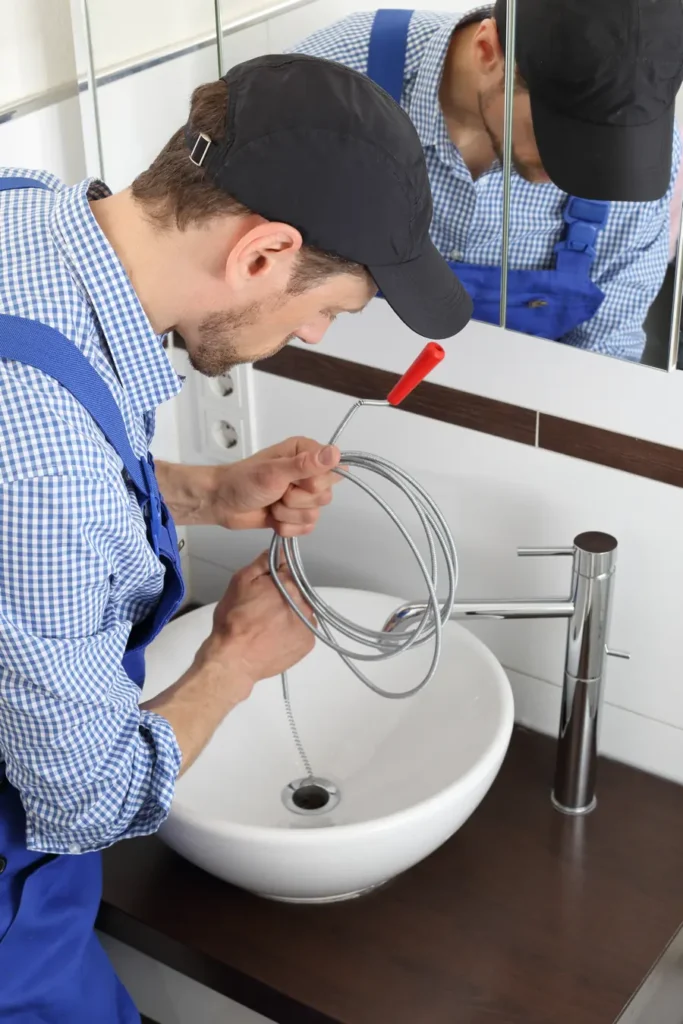
Drain snaking uses a flexible cable that travels through the pipe to reach the obstruction. Different heads and attachments can be used to break through or retrieve materials such as hair, food debris, paper products, and other blockages.
Cable cleaning is commonly used for clogged sinks, tubs, showers, toilets, laundry drains, and certain branch or sewer lines. It can be an effective option when the obstruction is concentrated in one area and the surrounding pipe remains in serviceable condition.
High-Pressure Water Jetting
High-pressure water jetting directs controlled streams of water through the drain line to remove grease, sludge, scale, and buildup from the inside of the pipe. Unlike a cable that primarily breaks through a blockage, water jetting can clean a broader portion of the pipe wall.
Jetting may be recommended for heavily coated lines, recurring grease blockages, commercial drains, or buildup that extends through a longer section of piping. The line should be evaluated first because high-pressure cleaning may not be appropriate for severely damaged or deteriorated pipes.
Power-Driven Drain Cleaning
Power-driven drain equipment uses rotating attachments to clear stubborn material from the line. The attachment can be selected based on the pipe and the type of buildup being addressed.
This method may be used for hardened deposits, soap residue, scale, grease, or other material that has accumulated along the pipe interior.
Fixture-Specific Drain Clearing
A clog affecting a sink, tub, shower, or toilet may be located within the fixture trap or the nearby branch drain. Our plumbers use equipment appropriate for that fixture to reduce the risk of damaging porcelain, finishes, seals, or connecting pipes.
If the fixture itself is damaged or the nearby piping needs attention, we can explain whether a plumbing repair should accompany the drain cleaning.
Our Drain Cleaning Process
Professional drain cleaning should begin with understanding where the problem is occurring rather than immediately sending equipment into the nearest opening.
1. Review the Drain Problem
Our plumber asks which fixtures are affected, when the issue started, whether it has happened before, and what changes occur when other plumbing fixtures are used. These details help determine whether the blockage is likely confined to one drain or located deeper in the system.
2. Inspect the Affected Fixtures
We evaluate the drain, nearby fixtures, accessible piping, and visible signs of a backup. This may include using a camera to inspect the drain to pinpoint where the clog is happening. Multiple affected fixtures, wastewater at a floor drain, or unusual reactions between drains may indicate that the main line requires attention.
3. Select the Cleaning Method
The plumber chooses the equipment based on the likely location and type of obstruction. A sink blockage may require a different approach than a grease-coated kitchen line or a main sewer stoppage.
4. Clear the Drain
We access the drain through an appropriate opening and use the selected equipment to remove or break apart the blockage. Our team takes precautions to protect the surrounding area and contain water or debris during the work.
5. Test Drainage
After cleaning, we run water and test the affected fixtures to confirm that flow has improved. If the drain remains restricted or the blockage returns immediately, additional investigation may be needed.
6. Explain Any Related Concerns
A clog is sometimes a symptom of pipe damage, poor alignment, root intrusion, or another sewer-line problem. When the condition of the system raises concern, we explain why a camera inspection or separate repair may be appropriate.
When Does a Clogged Drain Need a Camera Inspection?
Not every clogged drain requires a sewer camera inspection. A straightforward fixture blockage may be resolved without inspecting the rest of the line.
A camera inspection becomes more valuable when:
-
The same drain keeps clogging
-
Several fixtures back up together
-
Drain cleaning does not restore normal flow
-
Tree roots are suspected
-
The sewer line may be cracked, shifted, or deteriorated
-
The location of the blockage is unclear
-
A home has a history of sewer problems
-
A larger repair or replacement is being considered
The camera allows the plumber to view accessible portions of the drain or sewer line and look for damage, buildup, roots, offsets, or other conditions contributing to the problem.
Drain cleaning removes an obstruction. A camera inspection helps determine why the obstruction formed or why it keeps returning.
Kitchen Drain Cleaning
Kitchen drains frequently collect grease, oils, food residue, soap, and detergent. Even when grease enters the sink as a liquid, it can cool and adhere to the inside of the pipe. Additional debris then collects on that coating and gradually reduces drainage.
Garbage disposals can break food into smaller pieces, but they do not prevent those particles from accumulating in the drain. Coffee grounds, fibrous vegetables, starches, fats, and other dense materials can contribute to stubborn kitchen blockages.
Full Spectrum provides kitchen drain cleaning for:
-
Slow kitchen sinks
-
Double-basin sink backups
-
Garbage disposal drain blockages
-
Dishwasher-related drainage concerns
-
Grease buildup
-
Branch-line clogs serving the kitchen
A kitchen sink that repeatedly clogs may need more than a quick cable pass, particularly when grease has coated a longer section of the line.
Bathroom Drain Cleaning
Bathroom drains commonly collect hair, soap residue, toothpaste, grooming products, and mineral deposits. These materials can gather inside traps, pop-up assemblies, and branch drain lines.
We clear clogs affecting bathroom sinks, showers, bathtubs, toilets, and shared bathroom drain lines. When multiple bathroom fixtures are affected at once, we also consider whether the obstruction is located farther downstream.
Repeated toilet clogs may be related to the toilet, something lodged in its trap, excessive paper, or a deeper drain problem. Our plumber can evaluate the situation before determining the correct access point and cleaning method.
Main Sewer Drain Cleaning
The main sewer line carries wastewater away from the home. A blockage in this line can affect several fixtures and may cause water or sewage to return through the lowest available drain.
Possible signs of a main sewer clog include:
-
Toilets and tubs backing up at the same time
-
Water appearing in a shower when a toilet is flushed
-
Wastewater rising through a floor drain
-
Several drains gurgling together
-
Plumbing problems throughout the home
-
Sewage odors near interior or exterior drains
A main-line blockage can be caused by accumulated waste, grease, roots, foreign material, pipe damage, or a problem where the private sewer connects with another part of the system.
Full Spectrum can clear qualifying sewer blockages and determine when a camera inspection is needed to check the condition of the line.
Drain Cleaning for Septic-Connected Homes
Many properties outside denser municipal areas around Rock Hill, Fort Mill, and the greater Charlotte region rely on septic systems. A drain backup in a septic-connected home may originate in the indoor piping, the building sewer, or the septic system itself.
Full Spectrum provides drain and sewer services for septic-connected properties and can help determine whether the immediate problem is within the plumbing line or requires septic-specific attention.
Commercial Drain Cleaning
Restaurants, retail properties, offices, apartment communities, and other businesses can place substantial demand on their commercial drainage systems. A blocked restroom, floor drain, kitchen line, or grease-related drain can disrupt operations and create sanitation concerns.
When scheduling, businesses can provide information about the affected area, operating hours, access requirements, and the urgency of the problem.
Can Drain Cleaning Prevent Future Clogs?
Drain cleaning can remove existing buildup and improve flow, but no cleaning method can guarantee that a drain will never clog again. Recurrence depends on the condition of the pipe, what enters the drain, how the system is used, and whether an underlying structural problem exists.
Homeowners can reduce avoidable buildup by:
-
Keeping grease and cooking oil out of kitchen drains
-
Using drain strainers to collect hair and food debris
-
Avoiding wipes and hygiene products in toilets
-
Running sufficient water when using a garbage disposal
-
Addressing slow drains before they become fully blocked
-
Scheduling an inspection when the same clog repeatedly returns
Routine cleaning may be useful for properties with a history of grease accumulation, heavily used commercial drains, or other predictable buildup. Most residential homes do not need every drain cleaned according to an arbitrary annual schedule if the system is working normally.
Why Avoid Chemical Drain Cleaners?
Chemical drain cleaners may dissolve limited amounts of organic material, but they do not identify the location, size, or cause of the blockage. The product may remain trapped above a complete clog, creating a risk for anyone who later opens or services the drain.
Repeated chemical use can also affect certain piping, seals, finishes, and plumbing components. It may create heat or fumes, and mixing different products can cause a dangerous reaction.
Do not add more chemicals when the first treatment fails. Tell the plumber what product was used, how much was added, and approximately when it entered the drain so the technician can take appropriate precautions.
Why Homeowners Call Full Spectrum for Drain Cleaning
Full Spectrum provides drain cleaning as part of a broader range of drain, sewer, and plumbing services. That allows our plumbers to address straightforward clogs while also recognizing when recurring drainage problems may be connected to the condition of the larger system.
Homeowners and businesses choose our team for:
-
Licensed plumbing service in North Carolina and South Carolina
-
Drain cleaning for individual fixtures and main lines
-
Multiple cleaning methods for different types of blockages
-
Sewer camera inspections when further investigation is warranted
-
Drain, sewer, septic, and plumbing services from one company
-
Clear explanations before additional work is recommended
-
Upfront service options
-
Convenient online and phone scheduling
Our team serves established homes, newer subdivisions, rural properties, commercial buildings, and septic-connected systems throughout the region.
Drain Cleaning in Rock Hill, Fort Mill, and Charlotte
Full Spectrum Plumbing provides drain cleaning from three local service locations covering Rock Hill and Fort Mill in South Carolina and Charlotte in North Carolina.
Our service area includes homes and businesses throughout York County, Mecklenburg County, and nearby communities. We work with the different drainage systems found across the region, including municipal sewer connections, septic-connected properties, older plumbing, newer residential construction, and commercial drain systems.
When scheduling, provide your location, which fixtures are affected, and whether wastewater is actively backing up. These details help our team arrange the appropriate type of drain service.

Schedule Drain Cleaning Today
Do not wait for a slow drain to become a complete blockage or wastewater backup. Full Spectrum Plumbing can inspect the affected fixtures, locate the likely obstruction, and recommend the drain-cleaning method appropriate for your system.
Schedule drain cleaning in Rock Hill, Fort Mill, Charlotte, or a surrounding community online or by phone.
For an active sewage backup, stop using plumbing fixtures in the affected area and call Full Spectrum to confirm current service availability.
Special Offer
$79
Drain CleaningMain line only through exterior reasonable access
Offers valid for a limited time only. Terms and conditions apply. Offers cannot be combined with any other promotions or discounts.
Expires: Oct 31, 2026
Expires: Oct 31, 2026
Have a Question?
Fill out this form and our team will get back to you as soon as possible.
Frequently Asked Questions
Testimonials
Hear From Our Satisfied Customers

Tim Fischer
24 hours ago
TJ did an amazing job on our well! Very informative and straight forward! Highly recommend.


Michael “Pur” Wright
2 days ago
Tree root in main water line. They came out within the hour. Took 2 hours to fix

Larry Burnside
2 days ago
Haskell and Peter did an excellent job installing our new system. I appreciate there hard work.
Larry Burnside
5 days ago
Haskell and Peter did an excellent job installing our new system. I appreciate there hard work.

Corey Honeycutt
5 days ago
Friendly technician; quick and efficient repair.

Katheen Davister
6 days ago
Provided same day service after I called at 4 PM. Logan, technician arrived by 5:10 & cleared our clogged sink drain for a reasonable price. He recommended a DIY product for monthly drain maintenance and was extremely polite & professional.

Kelly Clark
7 days ago
Travis was very professional and explained everything thoroughly!

Olivia Rash
1 week ago
Travis did an excellent job! Explained everything throughly, professional, and friendly. I would recommend them again.

Roger Gomes
1 week ago
Excellent service, Excellent prices.

cindy naumann
1 week ago
TJ and Peter did an outstanding job installed a new shower valve
In our old house we had an old 3 handle and went to a single handle . It’s AMAZING the difference it makes
Thank y’all so much! These Gentlemen went above and beyond.
In our old house we had an old 3 handle and went to a single handle . It’s AMAZING the difference it makes
Thank y’all so much! These Gentlemen went above and beyond.

Patricia Lauckner
2 weeks ago
Logan came out to address a leakey shower faucet this morning and we were so pleased with his punctuality, friendliness and his knowledge and expertise . Thank you Logan for your wonderful service today , we truly appreciate your help and work ! And we will refer your company to our friends and family for their plumbing needs .

Gail Baker
2 weeks ago
Was an emergency and was well taken care of. Technician walked us through all options and kept us informed step by step. Highly recommend.

Kenneth Baldwin
2 weeks ago
My tech Jonathan was very professional and explained everything very well.

Barbara Fagan
2 weeks ago
Fantastic job TJ and Peter. Super courteous . Everything clean and professional. Really pleased
Kenneth Baldwin
2 weeks ago
My tech Jonathan was very professional and explained everything very well.

Karl Schaefer
3 weeks ago
TJ was awesome! Got our main water line fixed fast!

Michael Karhu
3 weeks ago
Quick, friendly, professional, affordable, and efficient service. Excellent customer service from Haskell and Alicia. They both come highly recommended!
Book Online in minutes
Schedule service for your home Today
Schedule service with Full Spectrum Plumbing today and take the stress out of home repairs. Our experienced team is ready to deliver fast, reliable solutions whenever you need us.