
Proudly Serving the Rock Hill, Charlotte, and Surrounding Areas

Why Is My Hot Water Running Out So Fast? (A Charlotte Homeowner’s Guide)
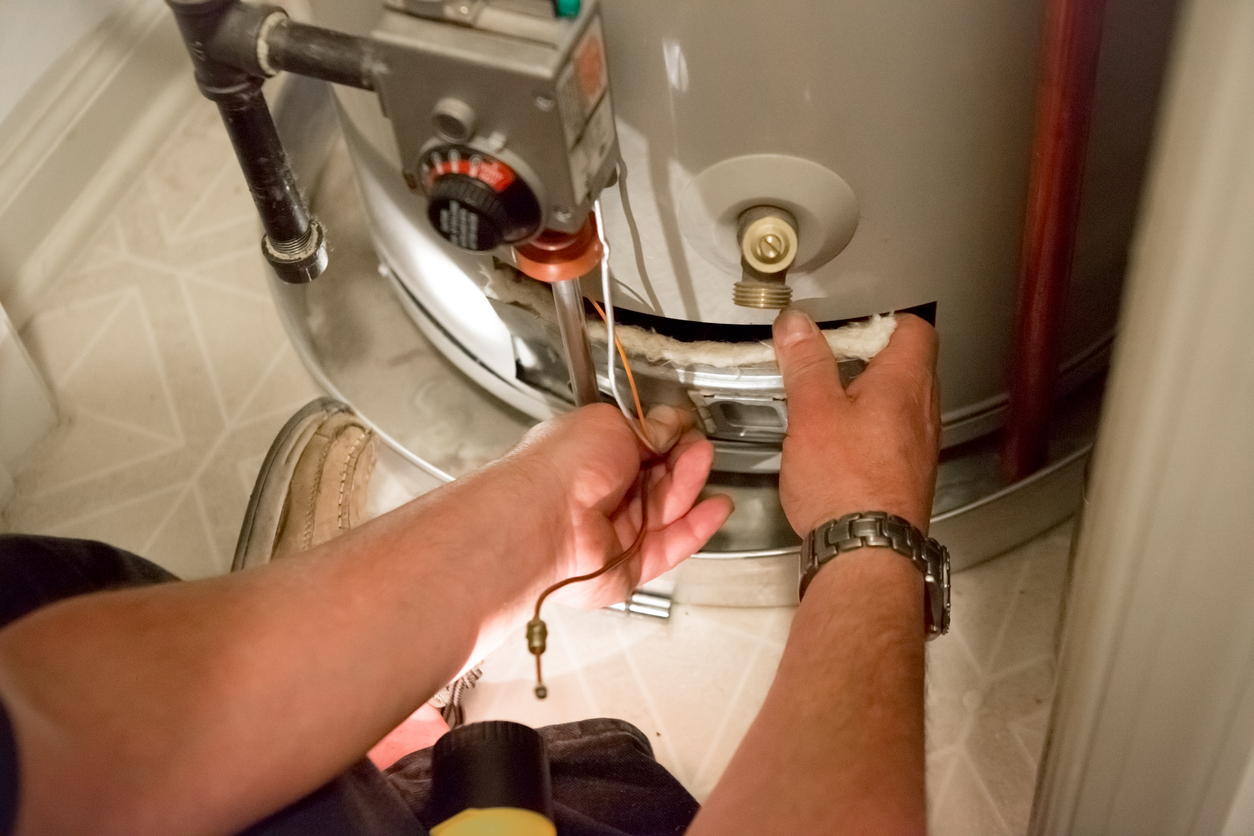
If your hot water gives out quickly in SouthPark or Myers Park, you’re not alone. This is a common call we receive from Charlotte homeowners; sometimes it’s because you simply need a new water heater. But a lot of the time, it’s not. In this guide, we’ll walk you through every reason this happens, what it costs to fix each one, and what you can check right now before you call anyone.
The Short Answer
Your hot water is running out fast because of one of these six reasons:
- Your water heater tank is too small for your household.
- Sediment buildup has reduced your tank’s capacity (very common in Charlotte).
- A broken dip tube is mixing cold and hot water inside the tank.
- Your heating element has failed (electric heaters).
- Your thermostat is set too low or is failing.
- Your water heater is busted, and the hot water is leaking out.
Why Charlotte Homes Are Especially Vulnerable to This Problem
Charlotte’s water comes primarily from the Catawba River Basin, specifically Lake Norman and Mountain Island Lake, and is treated by Charlotte Water (CLTWater). The water is safe; it generally has low mineral hardness, typically 24–50 mg/L, depending on your neighborhood and the season.
Even with a low mineral content, it still leaves calcium and magnesium deposits in your tank over time. Neighborhoods like Ballantyne, Steele Creek, and Mint Hill, which pull from specific distribution zones, tend to see faster sediment accumulation than areas closer to the uptown treatment infrastructure.
If your water heater is over 6 years old and has never been flushed, sediment is likely reducing your hot water supply.
The 6 Most Common Causes, and What Each One Costs to Fix
Your Tank is Too Small
This is the simplest explanation. If your family has grown or your habits have changed, your tank may just not be big enough.
Household Size Recommended Tank Size
- 1–2 people: 30–40 gallons
- 3–4 people: 40–50 gallons
- 5+ people: 50–80 gallons
Fix: Upgrade to a larger tank, switch to a tankless water heater, or add a tank booster to your existing tank. A tank booster adds 30-50% more water.
Cost to upgrade to a larger tank in Charlotte: $2254–$4984, while switching to a tankless often costs 2x-3x more. A tank booster is a great investment if your heater is less than six years old. Tank boosters run $1,254-$1,884 fully installed, depending on fuel type and unit size.
Sediment Buildup Inside the Tank
This is the most common culprit we find in Charlotte homes, especially in tanks that are 10+ years old. Minerals settle at the bottom of your tank and harden into a thick layer. That layer acts as insulation between the burner and the water. Your heater works harder, heats less, and you run out of hot water faster.
Signs this is your problem:
- Popping or rumbling sounds from your water heater.
- Water takes longer to reheat between uses.
- Slightly discolored or metallic-smelling hot water.
Fix: A professional tank flush can sometimes restore performance.
Cost: $154–$388 for a flush and inspection.
If the sediment has hardened and the tank is over 8 years old, a flush may damage the tank lining. In that case, replacement is the better solution.
A Broken Dip Tube
The dip tube is a plastic pipe inside your tank that sends cold incoming water to the bottom of the tank for heating. When it breaks, cold water mixes directly with hot water near the top, and you get lukewarm water almost immediately. This is probably the least common issue, but it is still worth noting.
Signs this is your problem:
- Hot water runs out extremely fast, sometimes in under 5 minutes.
- You might notice small white plastic flakes in your faucet aerators or showerhead. These flakes often clog aerators, which causes a drop in water pressure alongside the temperature issue.
Fix: Dip tube replacement is a relatively simple repair.
Cost in Charlotte: $251–$564, depending on your water heater model and access.
A Failed Heating Element (Electric Heaters Only)
Electric water heaters have two heating elements: one upper and one lower. If the lower element burns out, only the top portion of your tank heats up. You’ll get a short burst of hot water, then nothing.
Signs this is your problem:
- Hot water lasts about 5–8 minutes, then turns cold suddenly.
- Your water heater is electric and older than 8 years.
Fix: Heating element replacement.
Cost in Charlotte: $366–$508 parts and labor.
Thermostat Set Too Low or Failing
Your water heater’s thermostat controls how hot the water gets. The recommended setting is 120°F. If it’s been bumped down or the thermostat itself is failing, you’ll feel it immediately in the shower.
Signs this is your problem:
- Water is warm but never truly hot.
- The problem came on gradually, not suddenly.
Fix: Thermostat adjustment (free if you do it yourself) or replacement.
Cost: $319–$508 for thermostat replacement by a licensed plumber.
Your Water Heater is Leaking or Just Old
The average tank water heater lasts 8–12 years in the Charlotte market. With our water, many tanks start declining noticeably around year 8. After that point, repairs are often chasing a losing battle.
Signs this is your problem:
- Your unit is 9+ years old.
- You’ve had repairs in the past 2 years.
- You’re seeing rust-tinted hot water.
- You see water on the floor or ground around the water heater.
At this stage, replacement is usually the better financial choice.
What You Can Check Right Now (5-Minute Diagnostic)
Next, before you call us or anyone, here are three things you can safely check yourself:
Step 1
Check the age of your water heater. Look at the label on the side of the tank. Find the serial number. The first four digits often indicate the date of manufacture, but every brand is different. If it’s over 9 years old, that’s an important context.
Step 2
Listen to it running. Turn on a hot water faucet and listen near the tank. Loud popping, rumbling, or crackling sounds = sediment. Silence = likely an issue with an element, thermostat, or gas valve.
Step 3
Check your breaker (electric heaters). If you have an electric water heater and suddenly have zero hot water, check your breaker panel first. A tripped breaker is a free fix, but it may be a symptom of a bigger issue.
When is it Time to Replace vs. Repair?
After your quick diagnostic, it’s natural to ask whether your water heater needs a complete replacement or just a repair.
Here’s a simple rule we follow:
- Repair if the unit is under 7 years old and the fix costs less than 40% of a new unit.
- Replace if the unit is over 8 years old, has multiple issues, or the repair cost is pushing $900+.
Chasing an aging water heater with repeated repairs is like patching a tire that keeps going flat. At some point, the math stops working in your favor.
How Full Spectrum Protects You After the Fix
We back our work with real warranties, not fine-print ones.
- Standard water heater replacements: 24-month labor warranty on the installation
- Water heater warranties: Range from 24 to 120 months, depending on the unit, and your wants and needs.
- Lifetime Care Club members: Your covered water heater stays under warranty for the entire life of your membership, no expiration.
Our Care Club membership also includes priority scheduling, which matters when you’re freezing in the morning waiting for a repair appointment in Charlotte’s busy service market.
The Bottom Line
If your hot water is running out fast in Charlotte, here’s what to do:
- Check the age and listen for sounds using the 5-minute diagnostic above.
- If it’s under 7 years old, call for a diagnostic. It may be a simple, affordable fix.
- If it’s 8+ years old, get a replacement quote too. You’ll almost certainly save money long-term.
You deserve clear answers and straightforward pricing. That’s what we provide.
Ready to Stop Running Out of Hot Water?
Call Full Spectrum Plumbing Services or schedule online. We serve all of Charlotte, including Ballantyne, Matthews, Steele Creek, Myers Park, NoDa, and beyond. Same-day and next-day appointments available.
Recent Posts
Is Your Plumbing Ready for a Charlotte Winter? A Fall Checklist

How Much Does Well Pump Replacement Cost? What Homeowners Should Know
When Should Rock Hill Homes Use Hydro Jetting Instead of Standard Drain Cleaning?
Have a Question?
Fill out this form and our team will get back to you as soon as possible.
Book Online in minutes
Schedule service for your home Today
Schedule service with Full Spectrum Plumbing today and take the stress out of home repairs. Our experienced team is ready to deliver fast, reliable solutions whenever you need us.