
Proudly Serving Rock Hill and Surrounding Areas

How to Detect a Hidden Leak: 8 Signs You Can’t Ignore
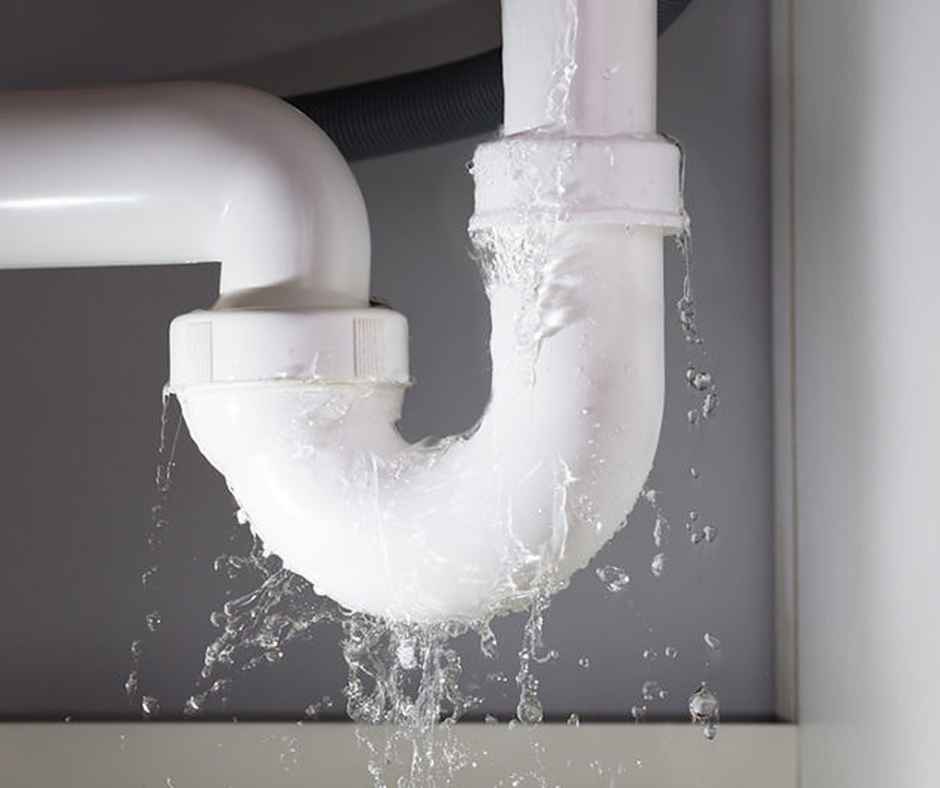
Plumbing leaks don’t always make themselves known through obvious puddles or dripping faucets. In fact, hidden leaks can lurk behind your walls, under floors, or inside ceilings, causing slow, steady damage before you even realize there’s a problem. For many homeowners, these sneaky leaks remain unnoticed until serious damage, costly repairs, or sudden spikes in the water bill force attention. But the good news is that there are subtle warning signs you can watch for to help catch hidden leaks early. From unusual smells to changes in your water pressure, learning how to detect a hidden leak can save you time, money, and stress.
In this blog, we’ll explore the most common signs of a hidden plumbing leak and offer expert advice from Full Spectrum Plumbing to help protect your home.
Why Hidden Plumbing Leaks Are a Serious Problem for Homeowners
At first glance, a small leak hidden behind your walls or under your flooring might seem harmless. After all, if you can’t see the water, how much damage could it really cause? Unfortunately, hidden plumbing leaks are one of the most underestimated threats to home safety and structural integrity. Unlike visible leaks, which prompt quick fixes, hidden leaks quietly soak building materials over time, leading to warping, mold growth, and even foundational problems.
For homeowners, hidden water leaks often remain undetected for weeks or months, silently driving up water bills and weakening your home’s structure. Moisture buildup behind walls can encourage mold and mildew, posing health risks for your family. Worse still, extensive water damage from undetected leaks can result in thousands of dollars in repairs, not to mention the hassle and disruption of restoring your home.
By understanding why hidden leaks matter, you can prioritize early detection and avoid major headaches down the road. Recognizing the signs of a leak is the first—and most important—step.
8 Key Signs of a Hidden Leak in Your Home
Hidden leaks aren’t always obvious, but your home often shows small signs that something is wrong. Learning to recognize these warning signals can help you catch problems before they become expensive repairs. Below are eight common indicators that a hidden plumbing leak could be developing in your home.
Unexplained Spikes in Your Water Bill
If your water usage habits haven’t changed but your water bill suddenly rises, a hidden leak may be responsible. Leaking pipes waste water 24/7, leading to steady increases in your monthly costs without any visible cause.
Musty or Damp Odors in Certain Areas
A persistent musty smell can point to trapped moisture behind your walls, ceilings, or flooring. Even if no visible water is present, the odor of dampness is often one of the first hints that a leak is hiding out of sight.
Discolored or Stained Walls and Ceilings
When water escapes behind walls or above ceilings, it often leaves stains behind. Yellowish or brown discoloration on drywall, ceiling tiles, or even baseboards typically signals moisture seeping into your home’s structure.
Peeling Paint or Bubbling Wallpaper
Moisture trapped behind painted walls or wallpaper can weaken adhesives, leading to peeling or bubbling. If your walls begin to look warped or your wallpaper detaches, water from a hidden leak might be to blame.
Warped or Buckling Floors
Flooring materials, including hardwood, laminate, and vinyl, can warp, buckle, or swell when exposed to prolonged moisture. If certain spots on your floor feel soft, uneven, or appear raised, you could be dealing with water pooling underneath.
Visible Mold or Mildew Growth
Mold and mildew thrive in moist, dark environments. If you see patches of mold developing in areas that typically remain dry, there’s a strong chance hidden water is feeding the growth, often from a leak behind walls or under flooring.
Sounds of Running Water When Pipes Aren’t in Use
Hearing water moving through your pipes when no fixtures are running is a common indicator of a hidden leak. If you notice dripping, rushing, or hissing sounds, investigate further to avoid hidden water damage.
Low Water Pressure Throughout Your Home
A sudden drop in water pressure across your home could mean water is escaping before it reaches your faucets. Hidden leaks in your main plumbing lines often cause inconsistent or weak water flow.
Why Hidden Plumbing Leaks Happen in Your Home
Hidden leaks don’t occur without a cause. Understanding why these leaks develop can help you prevent future plumbing issues. In many cases, the problem starts with aging or corroded pipes. Over time, older pipes can develop cracks or pinhole leaks, especially if they’re made from outdated materials like galvanized steel or copper. As these pipes wear down behind your walls or under your floors, water begins to seep out slowly.
Poor installation is another common reason for hidden leaks. If plumbing connections weren’t properly sealed or joints weren’t fitted tightly during installation, small gaps can allow water to escape. Even newer homes aren’t immune from this issue if the plumbing was rushed or improperly installed.
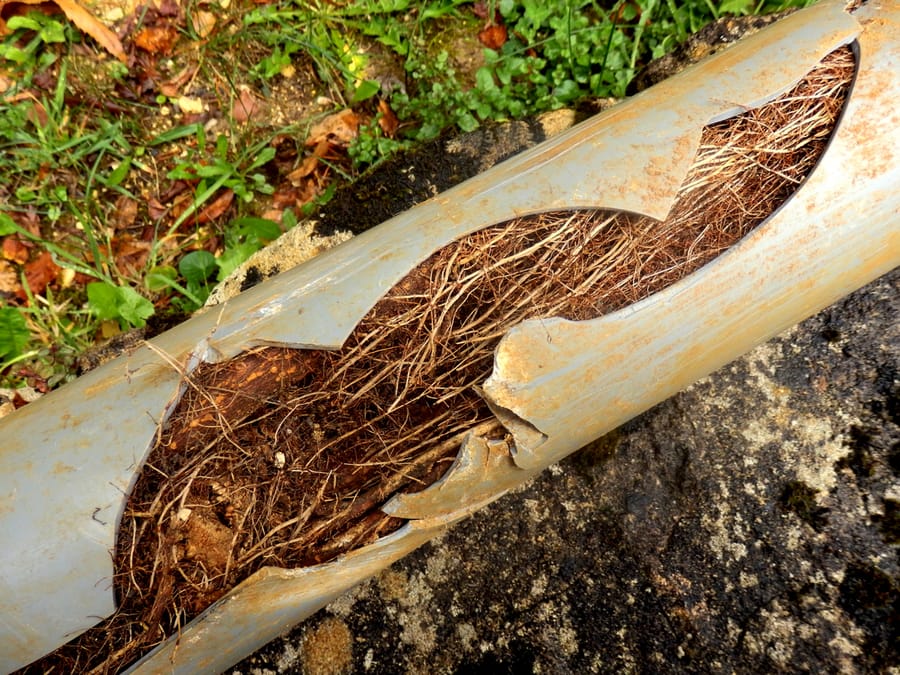
External factors can also play a role. Shifting soil, settling foundations, and even invasive tree roots can place stress on your plumbing system, causing pipes to crack or shift out of alignment. In some homes, excessively high water pressure forces pipes and joints to work harder than they’re designed to handle, leading to long-term stress and eventual leaks.
Lastly, everyday wear and tear is unavoidable. Over the years, consistent use of your plumbing system can weaken pipe materials, causing them to break down slowly. These small failures may not be visible until damage has already started inside your walls or floors.
Recognizing these causes helps homeowners stay proactive about maintenance and inspections, ensuring hidden leaks are caught before they create serious problems.
Solutions: What to Do When You Suspect a Hidden Leak
Catching a hidden plumbing leak early can save you from costly repairs and serious home damage. While some signs of a hidden leak can be monitored on your own, others require expert tools and knowledge to resolve. Knowing when to handle minor issues yourself and when to call a professional makes all the difference.
DIY Solutions for Hidden Plumbing Leaks
If you suspect a hidden leak, there are a few simple steps homeowners can take before calling for professional help. Start by monitoring your water meter. Turn off all water-using appliances and faucets in your home, then check the meter. If it continues to move, water is likely leaking somewhere in your plumbing system.
You can also inspect areas where moisture tends to accumulate, such as under sinks, behind appliances, or around your home’s foundation. Use a moisture meter to scan walls and floors for hidden damp spots that aren’t visible to the naked eye. If you suspect a leak, try shutting off the water supply to specific areas of your home one at a time. This method can help narrow down where the leak might be located.
However, while these steps can help you spot trouble, they often won’t locate or fix the exact source of a hidden leak.
When to Call a Plumbing Professional
Some hidden leaks are simply too difficult or dangerous to locate without professional tools and expertise. If you’ve noticed persistent signs—like musty odors, water stains, or warped flooring—with no clear source, it’s time to bring in a licensed plumber. Likewise, if mold begins to spread or structural damage appears, don’t delay professional help.
Plumbing professionals like Full Spectrum Plumbing use advanced leak detection methods, such as thermal imaging cameras, acoustic sensors, and moisture mapping tools, to find and fix hidden leaks without tearing apart your home. Whether it’s a slow drip inside your walls or a damaged pipe beneath your floors, professional leak detection ensures the issue is resolved accurately and efficiently.
Ignoring signs of a hidden leak risks escalating damage. When in doubt, scheduling a professional inspection can save you time, money, and frustration.
Maintenance Tips to Prevent Hidden Leaks in Your Plumbing System
Staying ahead of hidden leaks is much easier than dealing with water damage repairs. By following a few proactive maintenance steps, you can safeguard your home from costly plumbing issues. Below are simple yet effective ways to help prevent hidden leaks in your plumbing system.
Schedule Regular Plumbing Inspections
Annual or biannual plumbing inspections are one of the most effective ways to catch potential issues before they become serious leaks. A professional plumber can assess the condition of your pipes, connections, and fixtures, spotting early warning signs that may not be visible to homeowners.
Monitor Your Water Bills for Sudden Changes
Keep an eye on your monthly water bills. A sudden spike in water usage without any changes in your daily habits is often one of the first clues that a hidden leak has formed. Investigate unexpected increases immediately to prevent further damage.
Upgrade Older or Corroded Pipes
Older homes often have galvanized steel or copper pipes that are more susceptible to corrosion and damage. Proactively replacing outdated pipes with modern materials like PEX or PVC can prevent leaks from forming in weakened areas of your plumbing system.
Inspect Exposed Pipes Regularly
While many leaks occur in hidden areas, regularly checking visible pipes in basements, utility rooms, and crawl spaces can help you catch minor issues early. Look for moisture buildup, rust spots, or dripping water along exposed sections of piping.
Install a Water Pressure Regulator
Excessively high water pressure places unnecessary strain on your plumbing system, increasing the risk of hidden leaks. Installing a water pressure regulator helps maintain safe, consistent pressure levels, reducing stress on pipes and joints throughout your home.
By incorporating these maintenance habits, you can significantly lower your risk of hidden leaks while protecting your home’s structure and plumbing system.
Protect Your Home by Detecting Hidden Plumbing Leaks Early
Hidden plumbing leaks may not be immediately visible, but the damage they cause can be extensive and expensive. From warping floors to mold growth and rising water bills, hidden leaks threaten both your home’s structure and your family’s health. Knowing the key signs—like water stains, musty odors, and unexplained water usage—gives you the power to catch leaks before they escalate into major repairs.
While some minor issues can be investigated with DIY methods, many hidden leaks require specialized tools and expert knowledge to detect accurately. If you suspect a leak or notice persistent warning signs, don’t wait for visible damage to appear.
Full Spectrum Plumbing is here to help. With professional leak detection services and reliable plumbing repairs, our team can find and fix hidden leaks quickly and efficiently. Protect your home, your health, and your wallet—contact Full Spectrum Plumbing today to schedule your inspection and get peace of mind.
Recent Posts
Why Tree Roots Thrive in Carolina Soil and What They Do to Your Sewer Line
Why Ignoring Small Plumbing Noises Can Lead to Major Damage in Rock Hill Homes

The Hidden Effects of Carolina Clay Soil on Your Sewer Line
Have a Question?
Fill out this form and our team will get back to you as soon as possible.
Book Online in minutes
Schedule service for your home Today
Schedule service with Full Spectrum Plumbing today and take the stress out of home repairs. Our experienced team is ready to deliver fast, reliable solutions whenever you need us.