
Proudly Serving Rock Hill and Surrounding Areas


Why Tree Roots Thrive in Carolina Soil and What They Do to Your Sewer Line
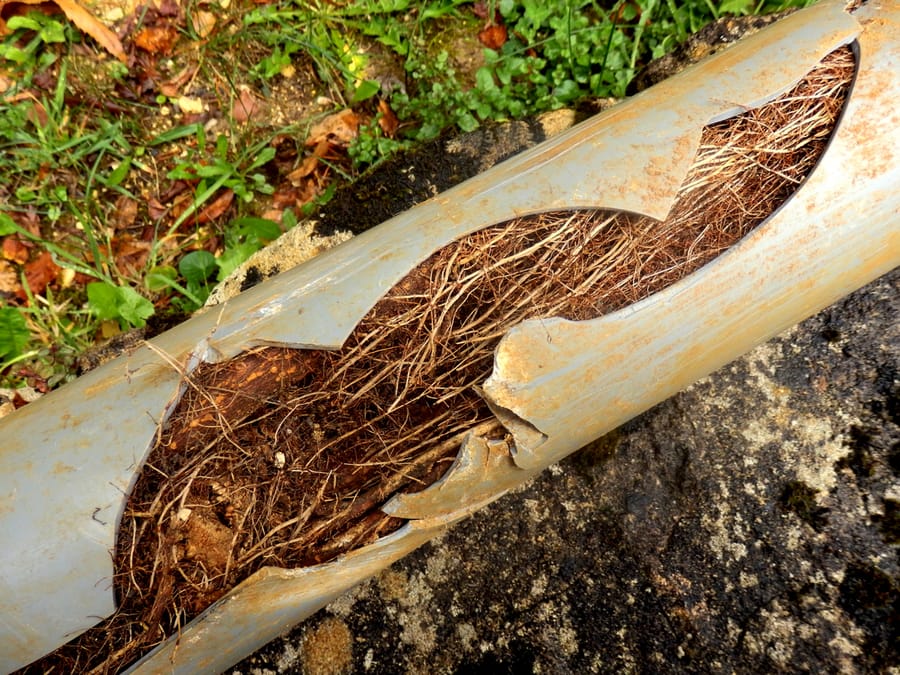
In the Carolinas, we take immense pride in our lush, green landscapes. From the towering oaks of South Charlotte to the sprawling magnolias of Rock Hill and Lancaster, the tree canopy is a defining feature of our neighborhoods. However, for a homeowner, what is happening beneath the surface is just as significant as the beauty above. The soil in our region, ranging from the dense, red Cecil clay of the Piedmont to the sandy loams of the Coastal Plain, provides a unique environment where tree roots don’t just grow; they thrive with aggressive persistence. At Full Spectrum Plumbing Services, we have spent over twenty years seeing the direct results of this growth. When the warm Carolina sun hits the leaves, the roots below begin a silent, powerful search for the nutrients and moisture they need to support that growth, and your sewer line is often their primary target.
The challenge for homeowners in North and South Carolina is that our soil conditions often work in favor of the trees and against your plumbing. As trees mature, their root systems can extend up to two or three times the width of their canopy, venturing far beyond what most people expect. This guide explores why Carolina soil is such a fertile breeding ground for root-related plumbing issues and exactly what happens when those roots encounter your underground pipes. Understanding this subterranean battle is the first step in protecting your property from the slow-motion disaster of a sewer line collapse.
Why Tree Roots Thrive in Carolina Soil
Our regional geology plays a massive role in root behavior. In the Piedmont region, the heavy clay soil holds onto moisture and nutrients, but it can also become incredibly compacted. When the soil is tight, tree roots are forced to travel further and more aggressively to find “easy” paths for growth.
-
The Search for Oxygen and Water: In dense clay, oxygen levels can be low. Sewer pipes, which carry warm water and are surrounded by slightly looser backfill soil from their original installation, act as a magnet for roots seeking a “breathable” and hydrated environment.
-
Nutrient-Rich Runoff: The waste flowing through your sewer line is essentially liquid fertilizer. Tree roots are biologically programmed to find these nutrient-rich pockets, and they can sense the microscopic vapor escaping from even the smallest pipe joint.
-
Year-Round Growing Season: Unlike northern climates where the ground freezes solid, Carolina soil remains relatively mild through the winter. This allows root systems to remain active and exploratory for nearly twelve months of the year.
The Invasive Journey: How Roots Enter Your Line
It is a common misconception that tree roots “punch” holes through solid pipes. In reality, they are much more patient and opportunistic. They follow the moisture trail to existing vulnerabilities in your sewer system.
-
Exploiting Weak Points: Older homes in the Carolinas often have sewer lines made of clay tile, cast iron, or early-generation PVC. As the soil shifts, a common occurrence in the South, these pipes develop tiny hairline cracks or loose joints.
-
The Hairline Entry: A root as thin as a single strand of hair can find its way into a loose joint. Once inside, it has access to a constant supply of water and nutrients, causing it to thicken rapidly.
-
The Expansion Effect: As the root grows in diameter, it acts like a slow-motion wedge. This pressure expands the original crack, eventually breaking the pipe or causing a total structural collapse.
What Tree Roots Do to Your Sewer Line
Once roots have established a “home” inside your pipes, the damage begins to escalate. It isn’t just about the physical blockage; it’s about the systemic failure of your home’s waste management.
-
Debris Traps: Root masses inside a pipe act like a net. They catch grease, toilet paper, and household waste, quickly turning a small intrusion into a massive, impenetrable clog.
-
Flow Restriction: You may notice “gurgling” sounds in your toilets or slow-draining tubs. This is often the first sign that roots have occupied enough space to restrict the natural flow of water.
-
Pipe Displacement: Large, woody roots can actually lift or shift sections of your sewer line, creating “bellies” or low spots where waste collects, even if the roots haven’t fully penetrated the pipe yet.
Identifying the Signs of Root Intrusion
Because your sewer line is buried several feet underground, you won’t see the damage until it begins to affect your home’s interior. Early detection is the difference between a simple cleaning and a multi-thousand-dollar replacement.
-
Recurring Backups: If you find yourself snaking the same drain every few months, you aren’t dealing with a simple clog; you likely have a root mass that is regrowing.
-
Soggy Patches in the Yard: If one area of your lawn is suddenly greener or stays wet even when it hasn’t rained, a root-damaged pipe may be leaking nutrient-rich water into the soil.
-
Sewer Odors: Cracks caused by root expansion allow sewer gases to escape, which can often be smelled in the yard or near basement drains.
How Full Spectrum Plumbing Services Solves the Root Problem
At Full Spectrum Plumbing Services, we don’t believe in temporary fixes. Simply “cutting” the roots with a standard drain snake is like mowing the grass; the roots will grow back thicker and faster than before. We use a comprehensive approach designed for the long-term health of Carolina homes.
-
High-Definition Camera Inspections: We start by sending a waterproof camera down the line to see exactly where the roots are entering and how much damage they have caused.
-
Hydro-Jetting: We use high-pressure water to scour the interior of the pipe, removing the roots entirely and cleaning away the grease and debris they have trapped.
-
Trenchless Pipe Restoration: Whenever possible, we use “no-dig” technology to reline your existing pipe. This creates a seamless, jointless barrier that tree roots cannot penetrate, preserving your beautiful Carolina landscaping.
Trust Full Spectrum Plumbing for Underground Expertise
Whether you are living in a historic bungalow in Rock Hill or a modern estate in South Charlotte, your home’s sewer line is constantly under threat from the very trees that provide your shade. At Full Spectrum Plumbing Services, we bring over twenty years of local experience to every job. We understand how our red clay and sandy soils behave, and we know how to protect your infrastructure from the aggressive root systems of the Southeast. We offer transparent pricing, expert diagnostics, and a commitment to doing the job right the first time.
Protect Your Sewer Line from Carolina Root Growth
The trees on your property are an investment in your home’s value, but they shouldn’t come at the expense of your plumbing. By being proactive and scheduling a professional inspection, you can catch root intrusion before it leads to a catastrophic backup. Don’t let the silent growth beneath your lawn turn into a major emergency.
Protect your property and your peace of mind by reaching out to Full Spectrum Plumbing Services today for a professional sewer line camera inspection.
Recent Posts
Why Ignoring Small Plumbing Noises Can Lead to Major Damage in Rock Hill Homes
The Hidden Effects of Carolina Clay Soil on Your Sewer Line

Common Plumbing Problems Charlotte Homeowners Face Each Year
Have a Question?
Fill out this form and our team will get back to you as soon as possible.

Book Online in minutes
Schedule service for your home Today
Schedule service with Full Spectrum Plumbing today and take the stress out of home repairs. Our experienced team is ready to deliver fast, reliable solutions whenever you need us.