
Proudly Serving Rock Hill and Surrounding Areas

Why Ignoring Small Plumbing Noises Can Lead to Major Damage in Rock Hill Homes
If you have lived in your home for more than a few months, you probably know every creak of the floorboards and every hum of the refrigerator. Most of the time, these sounds are just part of the background noise of daily life. However, when your pipes start making themselves known, it is usually a sign that something is shifting under the surface. Whether it is a sharp bang when you turn off the kitchen faucet or a faint, rhythmic ticking behind the bathroom wall, these sounds are the only way your plumbing system communicates that it is under stress. Ignoring them might save you a little time today, but it often leads to a much louder and more expensive surprise down the road.
In this guide, we are going to translate what those common plumbing noises actually mean for your Rock Hill property.
The “Thump” in the Night: Understanding Water Hammer
Have you ever turned off a faucet or watched your washing machine finish a cycle, only to hear a loud, jarring bang coming from inside the walls? That sound is known as water hammer. It happens when a flow of water is forced to stop or change direction suddenly, creating a shockwave that physically shakes your pipes. While it might just seem like a startling noise, it is actually a sign of intense physical pressure. Every time you hear that thump, your pipe joints and valves are taking a hit. Over time, this constant pounding can loosen connections and lead to a hidden leak behind your drywall.
There are a few reasons why your home might be experiencing these aggressive plumbing noises:
- High water pressure coming from the city main that exceeds the safe limits for residential pipes.
- Worn-out air chambers in your plumbing that have become waterlogged and can no longer cushion the shock.
- The absence of water hammer arrestors on high-speed appliances like dishwashers and ice makers.
- Loose pipe hangers that allow the lines to bang against wooden studs when the pressure shifts.
In Rock Hill, we often see this issue in homes where the water pressure regulator has failed. If the pressure entering your home is too high, it not only causes noise, but it also wears out your water heater, faucets, and toilet valves much faster than normal. A professional can install a small device called a water hammer arrestor or replace a faulty pressure-reducing valve to quiet the system down. It is a relatively simple fix that protects your home from the long-term structural damage caused by those constant, heavy vibrations.
Why Your Toilets are “Ghost Flushing”
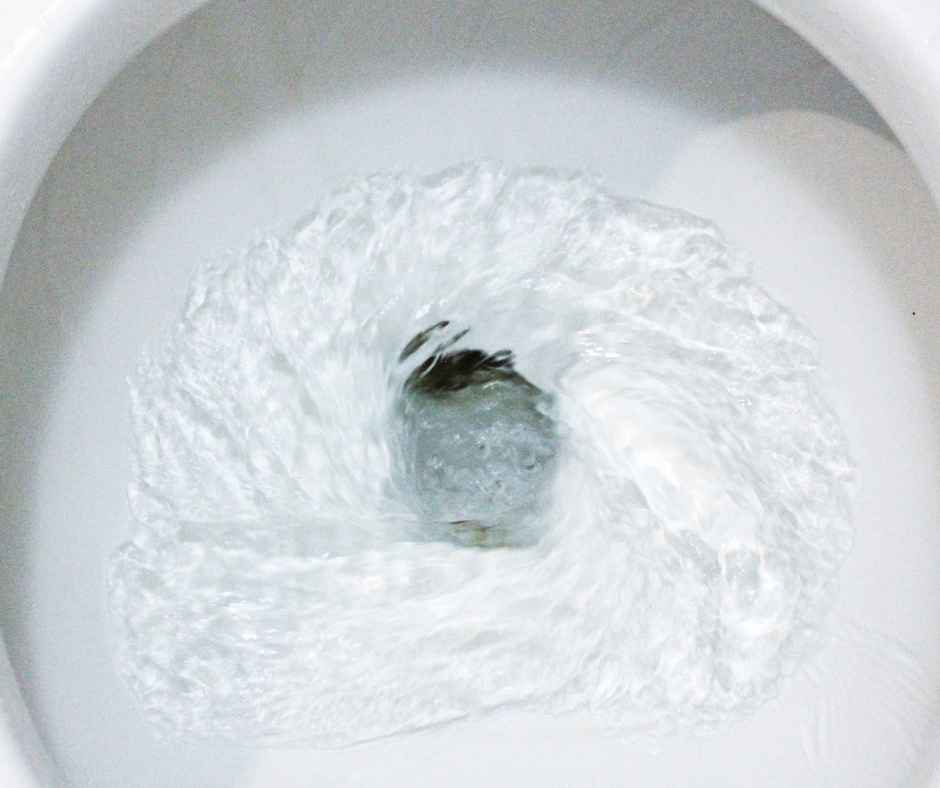
It is a bit of a surreal experience to be sitting in a quiet room and suddenly hear a toilet in the next hallway start running for a few seconds all by itself. This phenomenon is often called ghost flushing, but the cause is much more scientific than supernatural. When a toilet cycle begins without anyone touching the handle, it means water is slowly leaking out of the tank and into the bowl. Once the water level in the tank drops below a certain point, the fill valve opens up to top it off. While this might seem like a minor quirk, it is a sign of a mechanical failure that can quietly add hundreds of dollars to your Rock Hill plumbing bill over the course of a year.
The most common culprit is a worn-out flapper. This is the rubber seal at the bottom of the tank that lifts when you flush. Over time, the chlorine and minerals in the water cause the rubber to warp, harden, or rot, preventing it from making a watertight seal. In other cases, the chain connected to the handle might be a little too long and get caught under the flapper, or the fill valve itself might be set too high, causing water to constantly spill into the overflow tube.
Ignoring this sound is essentially like leaving a faucet running in your backyard. A “silent” leak in a toilet can waste thousands of gallons of water per month. Because the water goes directly down the drain, you won’t see a puddle on the floor, but you will definitely see the impact on your utility statement. A quick inspection by a professional can identify the exact component that has failed and restore your bathroom to its quiet, efficient state. It is one of the easiest ways to lower your monthly expenses while also preventing the internal parts of your toilet from wearing out prematurely.
Hissing and Gurgling: The Sound of Hidden Trouble
There are certain plumbing noises that should immediately put you on high alert. If you hear a constant hissing sound coming from behind a wall or under a floorboard, it often means that water is escaping from a pipe under high pressure. Unlike the “thump” of a water hammer, a hiss is the sound of a leak that is actively happening right now. Even a tiny pinhole leak in a copper line can spray a fine mist of water that will quickly soak your insulation, rot your wooden studs, and create the perfect environment for mold to grow. By the time a wet spot appears on your ceiling, the damage has likely been happening for weeks.
Gurgling, on the other hand, usually points to a problem with your drainage or venting. If your sink gurgles when the dishwasher drains, or if your shower drain bubbles when you flush the toilet, your system is struggling for air. Every plumbing system has a series of vent pipes that go through the roof to allow air in so water can flow out smoothly. When these vents are blocked by a bird’s nest or debris, the system pulls air from your drains instead, creating a distinct gurgling sound.
These sounds are your home’s way of telling you that the system is out of balance:
- Hissing: Likely a high-pressure leak or a failing pressure-reducing valve.
- Whistling: Often caused by a small piece of debris trapped in a faucet or a toilet fill valve that is vibrating as water passes by.
- Gurgling: A clear sign of a partial clog in the main drain line or a blocked vent stack.
- Ticking: Frequently just the sound of plastic pipes expanding and rubbing against wooden frames as hot water flows through them.
While some of these sounds are just part of your home’s personality, others are an urgent call for help. A gurgling drain is often the final warning before a complete sewage backup. Addressing these issues early on is the best way to avoid the mess and the high costs of emergency repairs. If your house has suddenly found its voice, it is probably time to have a professional take a look.
The Rock Hill Connection: Hard Water and Local Pipes
Many of the plumbing noises we hear in our area are directly linked to local water quality. In Rock Hill, our water contains minerals that can lead to sediment buildup over time. This is especially true inside your water heater. If you hear a popping or rumbling sound from your utility closet, it is often called “kettling.” This happens when a layer of hard water scale settles at the bottom of the tank. As the burner heats the water, steam bubbles are trapped beneath the rock layer and eventually burst through, creating the loud popping noise.
This sediment does more than just make noise; it acts as an insulator that makes your water heater work twice as hard to get the job done. This additional strain can cause the tank to overheat and eventually fail. When you hire a Rock Hill plumber to flush your water heater annually, you are essentially “cleaning out” the source of that noise and extending the life of the appliance.
It is also worth noting that older homes in the downtown area may still have galvanized steel pipes. These pipes are notorious for corroding from the inside out. As the interior of the pipe becomes rough and narrow, the water has to fight its way through, often creating a whistling or humming sound. This increased friction can lead to a drop in water pressure and eventually a total blockage. Keeping an ear out for these subtle shifts in sound is the best way to stay ahead of the natural aging process of your home’s infrastructure.
Trust Your Ears and Your Local Experts
Your home is a complex machine, and its plumbing is the circulatory system that keeps everything running. While it is easy to ignore a small thump or a faint hiss, these sounds are often the only warning you will get before a major pipe failure. By paying attention to the unique “language” of your home, you can catch small issues while they are still affordable to fix. A quiet plumbing system is a healthy plumbing system, and keeping it that way is the best investment you can make in your property.
At Full Spectrum Plumbing, we pride ourselves on being the go-to experts for Rock Hill plumbing solutions. Whether you need a simple toilet repair, a water heater flush, or a full system inspection, our team is here to provide the honest, reliable service you deserve. Contact us today to schedule your inspection and get your home back to its peaceful, quiet self.
FAQ: Common Questions About Plumbing Noises
Is it normal for pipes to “tick” after I take a hot shower?
Yes, this is usually just the sound of thermal expansion. As hot water flows through plastic pipes, they expand and rub against the wooden frames of your house. While it is annoying, it is typically not a sign of a leak.
Why does my faucet whistle when I turn it on halfway?
Whistling is often caused by a worn-out washer or a small piece of debris trapped inside the faucet assembly. The water must pass through a narrow opening, creating a high-pitched vibration.
Can I fix a water hammer issue myself?
If the noise is coming from your washing machine, you can buy “screw-on” water hammer arrestors at a local hardware store. However, if the banging is coming from inside your walls, you likely need a Rock Hill plumber to inspect your pressure regulator or install permanent arrestors.
Does a gurgling sink always mean there is a clog?
Not always. It could mean your roof plumbing vent is blocked by leaves or a bird’s nest. However, a clog is the most common cause, so it is worth having the drain snaked to be sure.
How much does it cost to silence noisy pipes?
The cost varies by cause. A simple toilet flapper replacement is very inexpensive, while replacing a water pressure regulator or a water heater is a larger investment. Catching the problem early is always the best way to keep costs down.
Recent Posts
Why Tree Roots Thrive in Carolina Soil and What They Do to Your Sewer Line

The Hidden Effects of Carolina Clay Soil on Your Sewer Line

Common Plumbing Problems Charlotte Homeowners Face Each Year
Have a Question?
Fill out this form and our team will get back to you as soon as possible.
Book Online in minutes
Schedule service for your home Today
Schedule service with Full Spectrum Plumbing today and take the stress out of home repairs. Our experienced team is ready to deliver fast, reliable solutions whenever you need us.