
Proudly Serving Rock Hill and Surrounding Areas

How to Recognize a Sewer Line Problem Before It Damages Your Home
Your home’s sewer line is one of the most important parts of your plumbing system, yet it’s often forgotten until something goes wrong. Hidden underground and out of sight, the sewer line carries all wastewater away from your home and into the main city system. When it begins to fail, however, the warning signs can start small, such as an odd smell or a slow drain, and quickly lead to major structural or sanitation problems if ignored.
Recognizing a sewer line issue early can mean the difference between a quick fix and a costly, messy repair. Many homeowners only realize there’s a problem once sewage backs up into the house or yard, but by that point, the damage may already be done. Understanding what to watch for and how to respond can help protect your home’s foundation, prevent contamination, and save thousands in repair costs.
In this blog, we’ll explain how to recognize the earliest signs of sewer line trouble, what causes these issues, and when it’s time to call a professional plumber.
Understanding Your Sewer Line System
Before you can identify a sewer line problem, it helps to understand how the system works. The main sewer line is a large underground pipe that connects your home’s plumbing to the city sewer or a private septic tank. Every drain in your house, including sinks, showers, tubs, and toilets, empties into this single line. When everything is functioning properly, wastewater flows smoothly away from your property. When problems occur, blockages or breaks can cause water and waste to back up or leak into the yard.
Several common factors can lead to sewer line damage:
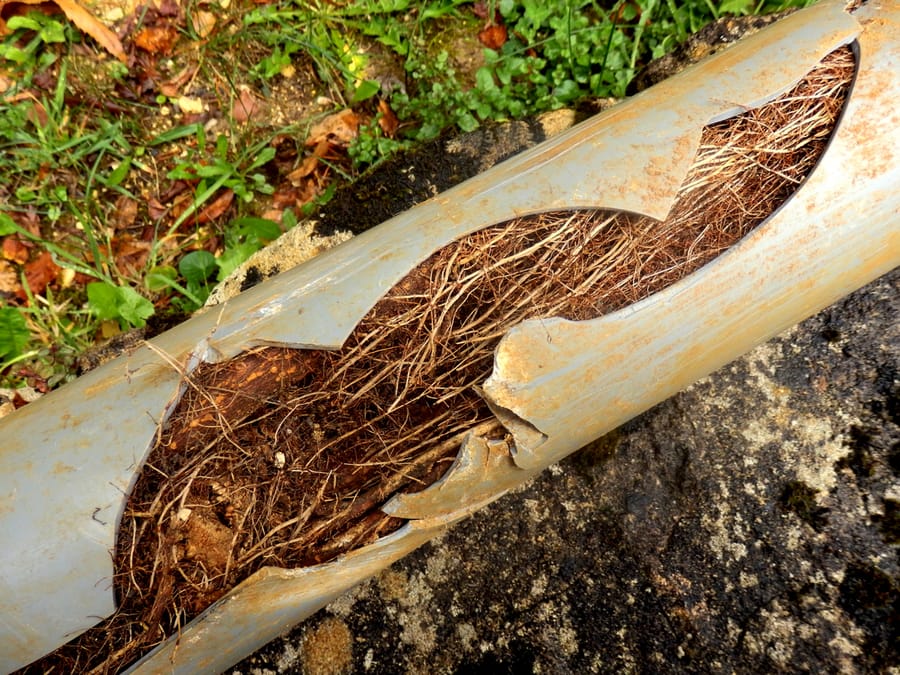
- Tree roots that seek moisture and grow into small cracks in pipes
- Aging materials such as clay, cast iron, or Orangeburg that weaken and deteriorate
- Soil movement caused by heavy rain, flooding, or freezing temperatures
- Buildup of grease, soap scum, and debris that restricts water flow over time
Recognizing these causes helps homeowners stay proactive. Older homes, or properties surrounded by large trees, are at greater risk for sewer line issues and should be inspected regularly to prevent unexpected failures.
Subtle Warning Signs of a Sewer Line Problem
Sewer line issues often begin quietly, showing up as small inconveniences that many homeowners overlook. Recognizing these early warning signs can help you take action before a minor issue becomes a costly emergency.
Here are some subtle signs to watch for:
- Unpleasant odors: A persistent sewage or musty smell near drains, in the basement, or outside the home can signal a leak or blockage in the sewer line.
- Slow-draining fixtures: If water drains slowly from multiple sinks, tubs, or toilets, the problem may be deeper in the main line rather than in a single drain.
- Gurgling or bubbling sounds: Strange noises coming from drains or toilets often indicate trapped air caused by a partial blockage in the line.
- Unexplained wet spots or lush grass patches: If certain areas of your lawn are greener, softer, or consistently damp, it could mean wastewater is leaking underground.
These signs can seem minor at first, but they rarely disappear on their own. Ignoring them can lead to pipe ruptures, water damage, and even foundation issues. By paying attention to early changes in your plumbing system, you can prevent major disruptions and protect your property from unnecessary damage.
Major Red Flags You Shouldn’t Ignore
While subtle sewer line issues can be easy to miss, there are some warning signs that indicate a serious problem is already developing. These red flags often mean the damage has spread beyond a simple clog or minor leak and requires immediate professional attention.
Here are the most critical signs to look out for:
- Sewage backups in multiple drains: If wastewater is coming up through several drains at once, your main sewer line is likely obstructed or broken. This situation can quickly become hazardous to your health and should be handled by a licensed plumber right away.
- Persistent clogs: When plunging or drain cleaners no longer fix the issue, it may mean debris, grease, or roots have created a deep blockage in the sewer line.
- Cracks in walls or foundation: Leaking sewer lines can saturate the soil beneath your home, leading to foundation shifts, wall cracks, or even sinkholes.
- Mold or mildew growth: Excess moisture from hidden sewer leaks can create ideal conditions for mold growth, especially near floors or walls that conceal plumbing lines.
- Sudden pest activity: Rodents and insects are drawn to moisture and sewer gases, so an unexplained increase in pests can sometimes point to a broken pipe.
If you notice one or more of these red flags, the problem has likely progressed beyond what basic home maintenance can resolve. Acting quickly not only prevents additional property damage but also reduces repair costs and health risks.
How to Inspect and Monitor Your Plumbing System
Keeping an eye on your plumbing system is one of the best ways to detect a sewer line issue before it turns serious. While some problems require professional tools to identify, homeowners can take simple steps to monitor for warning signs and prevent surprises.
1. Use Your Senses.
Trust your eyes, ears, and nose. Watch for slow drains, bubbling toilets, or damp areas around the home. Listen for gurgling noises when water is draining. If you smell sewage, sulfur, or musty odors near drains, in the basement, or in your yard, there may be a break or blockage forming.
2. Check Outdoor Areas Regularly.
Walk around your property after heavy rain or during dry spells. Look for soggy spots, sunken areas, or patches of grass that grow faster and greener than the rest. These can indicate leaking wastewater underground.
3. Keep Records of Plumbing Maintenance.
Maintaining a record of repairs, cleanings, and inspections helps you track patterns over time. If certain drains clog repeatedly, it could suggest a deeper problem in the main sewer line.
4. Consider a Professional Sewer Camera Inspection.
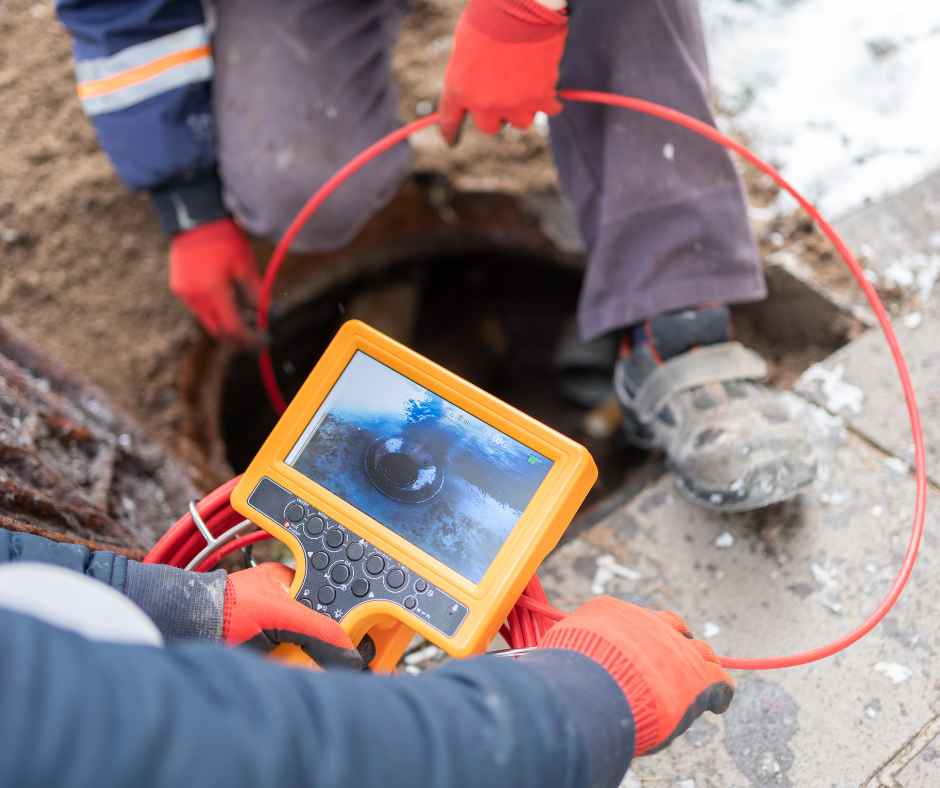
A licensed plumber can run a specialized camera through your sewer line to spot cracks, buildup, or root intrusion before they cause backups. This non-invasive service provides a clear view of your pipes and helps identify the exact location of any damage.
Consistent monitoring not only keeps your plumbing in good condition but also extends the life of your sewer system. By staying proactive, you can catch small issues early and avoid expensive emergency repairs later.
Preventative Maintenance to Avoid Future Problems
Routine maintenance is the key to preventing sewer line issues from developing in the first place. While many homeowners focus on fixing plumbing problems only after they appear, taking simple preventative steps can greatly reduce the risk of major damage.
1. Schedule Regular Professional Cleanings.
Having your drains and sewer line cleaned by a professional plumber every one to two years helps remove buildup before it leads to a blockage. Regular maintenance keeps wastewater flowing smoothly and identifies potential trouble spots early.
2. Be Mindful of What Goes Down the Drain.
Avoid pouring grease, oil, or fat down the sink, as these substances harden and cling to the inside of pipes. Similarly, never flush wipes, feminine hygiene products, or paper towels. Even items labeled “flushable” can create blockages over time.
3. Manage Tree Roots Near Your Sewer Line.
Tree roots naturally seek moisture and can grow directly into small pipe openings. If you have trees near your sewer line, consider installing root barriers or scheduling annual inspections to check for root intrusion.
4. Protect Your Pipes From Soil Movement.
During extreme weather, shifting soil can place pressure on underground pipes. Ensuring proper drainage around your home and repairing foundation cracks promptly helps minimize this risk.
5. Address Small Problems Quickly.
A slow drain or occasional gurgle might seem minor, but these early indicators often signal an underlying issue. Prompt attention can prevent the need for full pipe replacement later.
Preventative maintenance not only saves money but also keeps your home’s plumbing system operating efficiently year-round. A little care now can spare you from stress, inconvenience, and costly emergency repairs in the future.
When to Call a Professional Plumber
Some plumbing tasks are simple enough for homeowners, but sewer line problems usually require professional attention. Knowing when to call a licensed plumber can prevent costly damage and ensure the issue is fixed correctly the first time.
You should contact a professional plumber if you notice any of the following:
- Multiple drains are backing up: When sinks, tubs, and toilets back up at the same time, the blockage is likely in the main sewer line, not a single fixture.
- Sewage odors or wet spots in the yard: Foul smells or damp areas can indicate a leak or pipe break underground that needs immediate inspection.
- Frequent clogs that don’t clear: If plunging or drain cleaners only offer temporary relief, you may have a deeper blockage, root intrusion, or pipe damage.
- Visible foundation cracks or sinking soil: Sewer leaks can erode the ground beneath your home, leading to uneven floors or structural movement.
- You suspect tree root intrusion: Roots often cause serious pipe damage and must be removed with specialized tools.
- You want professional reassurance: Even if everything seems fine, a preventative sewer camera inspection can uncover issues early.
Calling a professional plumber at the first sign of trouble saves time, money, and stress. Full Spectrum Plumbing provides expert sewer line inspections, repairs, and replacements using advanced technology to locate and resolve problems quickly. Our team is committed to protecting your home’s plumbing system and restoring your peace of mind.
Protect Your Home by Catching Sewer Line Problems Early
A sewer line problem can start small but quickly turn into a major threat to your home and property. Learning to recognize the warning signs early, such as slow drains, foul odors, or damp spots in the yard, can save you from the stress and cost of emergency repairs. Routine inspections and preventative maintenance are the best defenses against leaks, blockages, and costly damage.
If you suspect a problem, do not wait for it to worsen. Professional diagnosis and timely repair can prevent sewage backups, foundation damage, and health hazards.
For reliable and expert service, Full Spectrum Plumbing provides thorough sewer line inspections, cleaning, and repair solutions. Our experienced team uses advanced tools to locate the source of the issue and restore your system efficiently, keeping your home protected and your plumbing running smoothly.
Contact us today to schedule your sewer line inspection and keep your plumbing system in top condition.
Frequently Asked Questions About Sewer Line Problems
How long does a sewer line typically last?
Most sewer lines last between 50 and 100 years, depending on the material. Clay and cast iron pipes tend to wear out sooner, while PVC pipes can last much longer with proper maintenance. Regular inspections help extend the life of your system.
Can heavy rain cause sewer line problems?
Yes. Heavy rain can saturate the ground and put pressure on buried pipes, causing them to shift, crack, or collapse. Excess water can also overwhelm older systems, leading to backups or slow drainage.
What is a trenchless sewer line repair?
Trenchless repair is a modern method that fixes damaged sewer pipes without digging up your yard. It involves inserting a liner or new pipe inside the old one, saving time, reducing mess, and preserving landscaping.
Are sewer line issues covered by homeowners insurance?
Coverage varies by policy. Many standard homeowners insurance plans do not cover sewer line repairs caused by wear and tear. However, some insurers offer add-on protection or separate sewer line coverage for an additional fee.
How often should I schedule a professional sewer inspection?
Most homes benefit from a professional sewer line inspection every one to two years. If your home is older, has large trees nearby, or has a history of plumbing issues, annual inspections are recommended.
Recent Posts
Why Tree Roots Thrive in Carolina Soil and What They Do to Your Sewer Line
Why Ignoring Small Plumbing Noises Can Lead to Major Damage in Rock Hill Homes

The Hidden Effects of Carolina Clay Soil on Your Sewer Line
Have a Question?
Fill out this form and our team will get back to you as soon as possible.
Book Online in minutes
Schedule service for your home Today
Schedule service with Full Spectrum Plumbing today and take the stress out of home repairs. Our experienced team is ready to deliver fast, reliable solutions whenever you need us.