
Proudly Serving Rock Hill and Surrounding Areas

How Charlotte NC Residents Can Protect Their Homes From Winter Pipe Damage
Charlotte may not experience extreme winters every year, but freezing temperatures still happen often enough to cause serious plumbing problems. When the temperature drops below freezing, the water inside your pipes can solidify, expand, and lead to cracks or bursts that cause costly damage.
Even a single night of cold weather can be enough to create major plumbing issues if pipes are unprotected. Homeowners who prepare early can avoid these risks and protect their homes throughout the season.
In this blog, we will explain why pipes freeze, what signs to watch for, and the most effective ways to prevent winter damage. With help from Full Spectrum Plumbing, you can keep your plumbing system safe and your home protected, no matter how cold it gets in Charlotte.
Why Pipes Freeze and Burst
When temperatures drop below freezing, water inside your plumbing system begins to solidify. As the water freezes, it expands and creates pressure inside the pipes. If that pressure becomes too great, the pipe can crack or burst, leading to water leaks and significant home damage once the ice thaws.
Certain areas of your home are more vulnerable to freezing than others. These include:
- Crawl spaces and basements, where temperatures stay low and airflow is limited
- Exterior walls that are not well insulated
- Garages and attics that lack heat circulation
- Outdoor plumbing lines, such as hose bibs and irrigation systems
Even small sections of exposed pipe can cause major problems when the temperature drops quickly. Understanding where and why pipes freeze is the first step in keeping your Charlotte home protected during winter.
Signs Your Pipes Are at Risk
Many homeowners do not realize their pipes are vulnerable until freezing weather causes a leak. Recognizing the warning signs early can help you take preventive action before temperatures drop.
Watch for these signs that your pipes may be at risk:
- Cold drafts near plumbing fixtures, walls, or under sinks
- Exposed pipes in basements, crawl spaces, attics, or garages
- Condensation or frost forming on pipe surfaces
- Slow or inconsistent water flow from faucets
- Lack of insulation around pipes in unheated areas
If you notice any of these issues, your plumbing may not be properly protected for cold weather. Adding insulation, sealing leaks, and scheduling a professional inspection can help prevent freezing and burst pipes before winter hits Charlotte.
How to Prevent Winter Pipe Damage
A few simple steps can make a big difference in preventing frozen or burst pipes during cold weather. By preparing your plumbing system before winter, you can avoid costly repairs and water damage later.
Follow this checklist to protect your home:
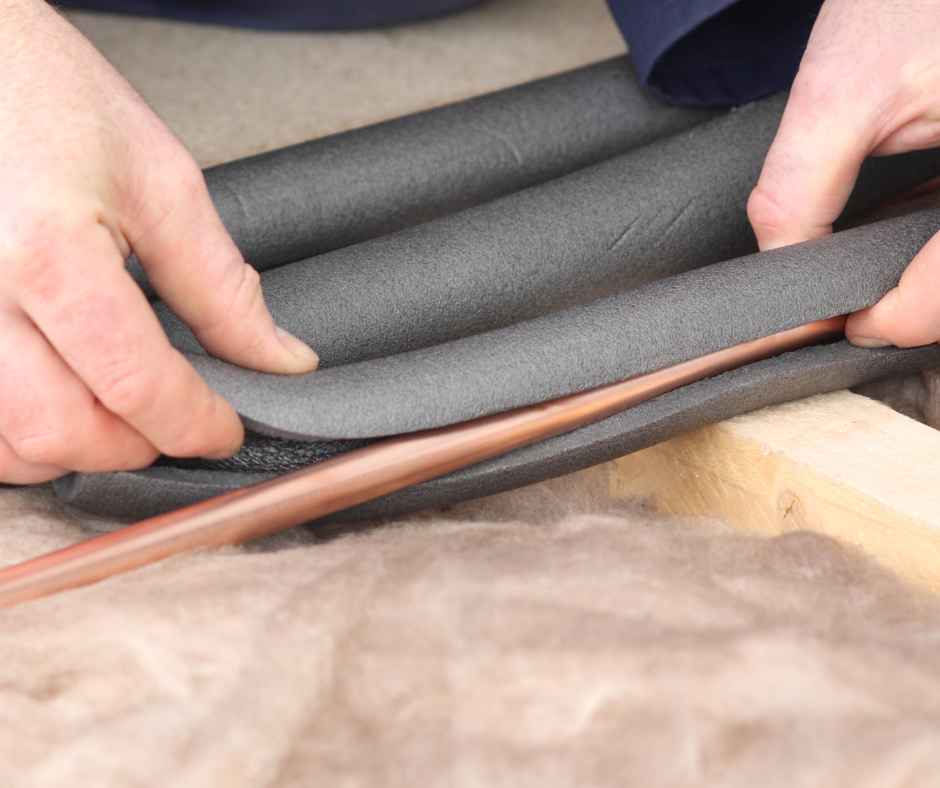
- Insulate exposed pipes. Use foam sleeves or wrap pipes in unheated areas such as basements, garages, and crawl spaces. Focus on pipes near exterior walls.
- Seal gaps and cracks. Use caulk or weatherstripping around windows, doors, and foundation openings to keep cold air from reaching your plumbing.
- Disconnect and drain outdoor hoses. Shut off water to exterior faucets and let any remaining water drain out to prevent freezing.
- Keep your home warm. Maintain indoor temperatures of at least 55°F, even if you are away. Consistent heat prevents pipes in hidden areas from freezing.
- Open cabinet doors. Allow warm air to circulate around plumbing under sinks, especially in kitchens and bathrooms along exterior walls.
- Let faucets drip slightly. Running water, even at a trickle, helps relieve pressure and keeps water moving through pipes.
These simple precautions can significantly reduce the risk of winter plumbing damage in your Charlotte home.
Why Insulation Makes a Difference
Proper pipe insulation is one of the most effective ways to prevent freezing and bursting during Charlotte’s colder months. Insulation keeps the heat inside your pipes longer, helping to maintain a steady water temperature even when the air around them drops below freezing.
There are several types of insulation available for homeowners:
- Foam pipe sleeves that easily slide over exposed pipes and provide reliable insulation for most areas of the home
- Fiberglass wrap for larger or oddly shaped pipes that need flexible coverage
- Electric heat tape or cables that gently warm pipes in very cold or drafty locations
Insulating your pipes is an affordable, long-lasting way to reduce the risk of winter damage. For pipes in hard-to-reach areas, a professional plumber can assess your system and install insulation safely and effectively.
Taking this step before freezing temperatures arrive can save you from costly repairs and water damage later in the season.
What to Do If a Pipe Freezes
Even with good preparation, freezing temperatures can still cause pipes to freeze occasionally. Acting fast can prevent a small issue from becoming a major plumbing emergency.
If you suspect a pipe is frozen, follow these steps:
- Turn off the main water supply. This stops pressure from building up in case the pipe bursts.
- Open nearby faucets. Allowing water to flow helps relieve pressure as the ice begins to thaw.
- Apply gentle heat. Use a hair dryer, heating pad, or warm towels to slowly warm the frozen section. Start at the faucet end and move toward the blockage. Never use an open flame or torch, as these can damage pipes and create a fire hazard.
- Check for leaks. Once water starts flowing again, inspect the pipe for cracks or drips.
If you cannot locate the frozen area or if the pipe has burst, turn off your main water valve immediately and call a licensed plumber.
Professional Winterization Services
While there are many steps you can take to protect your pipes on your own, professional winterization provides complete peace of mind. Plumbers have the experience and tools to identify weak points in your plumbing system that may be overlooked during a DIY inspection.
A professional winterization service typically includes:
- Inspecting exposed and hidden pipes for cracks, corrosion, or poor insulation
- Installing or upgrading pipe insulation where needed
- Draining outdoor lines, irrigation systems, and hose bibs
- Checking shut-off valves and ensuring they function properly
- Testing water pressure to confirm your system is balanced and leak-free
Scheduling a professional service before the coldest months ensures your plumbing is ready for whatever Charlotte’s winter brings.
Full Spectrum Plumbing offers expert winterization and pipe protection services designed for local homes. Our licensed plumbers can assess your system, reinforce vulnerable areas, and help you avoid costly burst pipe repairs this season.
Keep Your Charlotte Home Safe This Winter
Even a short cold snap in Charlotte can cause serious plumbing problems if your pipes are not properly protected. Taking preventive steps such as adding insulation, sealing drafts, and scheduling a professional winterization service can save you from expensive water damage and stress later in the season.
The sooner you prepare your home, the better your chances of avoiding burst or frozen pipes when temperatures drop.
Full Spectrum Plumbing is proud to help Charlotte homeowners stay protected all winter long. Our experienced team provides reliable winterization, pipe repair, and emergency plumbing services. Contact us today to schedule your inspection and keep your plumbing system safe, efficient, and ready for cold weather.
Frequently Asked Questions About Preventing Winter Pipe Damage
At what temperature do pipes start to freeze?
Pipes can begin to freeze when outdoor temperatures drop to 20°F or lower, especially if they are exposed or uninsulated. In Charlotte, this can happen overnight during cold fronts, so early preparation is key.
What areas of my home are most at risk for frozen pipes?
Pipes located in unheated areas such as crawl spaces, attics, basements, and garages are most vulnerable. Pipes running along exterior walls or near windows are also at higher risk.
Can I use space heaters to prevent frozen pipes?
Space heaters can help in small areas, but they are not a long-term solution. It is safer to insulate pipes and maintain consistent indoor heating. Always keep flammable items away from heaters to reduce fire risk.
What should I do if my pipe bursts?
Immediately shut off your main water valve to stop the flow of water, then call a licensed plumber. Quick action can minimize water damage and repair costs.
How can a plumber help prevent frozen pipes?
A professional plumber can inspect your home for weak spots, add or upgrade insulation, and install shut-off valves or heating cables. Full Spectrum Plumbing offers complete winterization services to keep your pipes safe all season.
Recent Posts
Why Ignoring Small Plumbing Noises Can Lead to Major Damage in Rock Hill Homes
The Hidden Effects of Carolina Clay Soil on Your Sewer Line

Common Plumbing Problems Charlotte Homeowners Face Each Year
Have a Question?
Fill out this form and our team will get back to you as soon as possible.
Book Online in minutes
Schedule service for your home Today
Schedule service with Full Spectrum Plumbing today and take the stress out of home repairs. Our experienced team is ready to deliver fast, reliable solutions whenever you need us.