
Proudly Serving Rock Hill and Surrounding Areas

DIY vs. Professional: When to Call a Plumber for Toilet Clogs
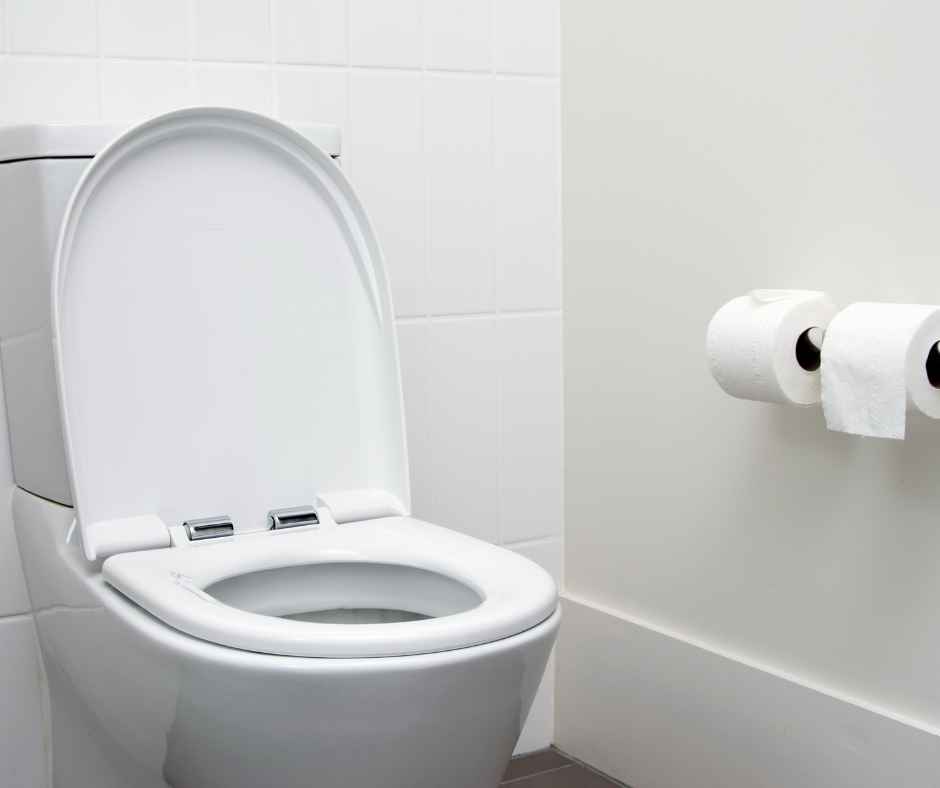
Toilet clogs are one of the most frustrating plumbing problems homeowners face, and they always seem to happen at the worst possible time. Whether it’s after hosting guests or during your morning routine, a blocked toilet can bring your day to a halt. While many clogs can be resolved with a plunger and a little patience, others may point to a more serious issue that requires a professional plumber.
Trying to handle every clog on your own can sometimes lead to bigger plumbing headaches, especially when underlying sewer problems or repeated blockages are involved. That’s why it’s essential to understand the difference between a simple fix and a red flag. Knowing when to take the DIY route and when to call Full Spectrum Plumbing can save you money, protect your home, and restore peace of mind.
In this blog, we’ll walk you through the most common causes of toilet clogs, how to identify when it’s time to bring in a professional, and how to prevent future backups. Let’s get started.
Toilet Clogs: What Causes Them and Why They Happen
Toilet clogs are a common household issue, but they’re not always as simple as they seem. Most people assume clogs happen because of too much toilet paper, but the reality is that there are several potential causes, some of which originate deep within your plumbing system. Understanding what causes toilet clogs is the first step in resolving the issue and preventing it from happening again.
In many cases, clogs are caused by flushing materials that simply shouldn’t go down the drain. Items like wipes, paper towels, feminine hygiene products, and even certain “flushable” products can create blockages. These items don’t break down easily and can quickly get caught in bends in the pipe, leading to backups.
Older homes with outdated plumbing or low-flow toilets are also more prone to clogging. Low-flow toilets installed in the early 1990s may not have the flushing power needed to clear waste efficiently, which can lead to frequent blockages. Additionally, buildup from minerals, soap, and waste over time can constrict pipe openings, making it easier for clogs to form.
In more serious cases, clogs may stem from tree roots invading your sewer line or a collapsed section of pipe underground. These aren’t issues you can solve with a plunger and highlight why identifying the cause matters just as much as clearing the blockage.
Toilet clogs are inconvenient, but ignoring the root cause could lead to water damage, costly repairs, and major disruptions to your plumbing system. That’s why the next step is learning how to spot the signs that a clog may be more than just a one-time issue.
Signs You Need to Call a Plumber for a Clogged Toilet
While some toilet clogs can be quickly resolved with basic tools, others may be signs of deeper plumbing trouble. Being able to recognize the difference can save you from unnecessary mess, stress, and potential water damage.
Signs That Indicate a Basic Toilet Clog
If your toilet clog is isolated, infrequent, and happens after flushing non-flushable items or excessive toilet paper, it’s likely manageable at home. These kinds of clogs typically show obvious symptoms like slow draining or water rising higher than normal after a flush. A plunger or toilet auger can often fix these issues without the need for professional help.
However, even these basic signs can sometimes mask a bigger problem, especially if they occur often.
When a Clog Points to a Larger Plumbing Issue
Recurring toilet clogs or clogs that impact multiple fixtures are warning signs that something more serious may be happening in your plumbing system. The more persistent and widespread the issue, the more likely it’s related to your main sewer line or drainage system rather than a simple blockage.
Watch for these red flags that it’s time to call a plumber:
- Toilet water backs up into the sink or tub when you flush
- You hear gurgling noises coming from nearby drains
- There’s a constant foul smell coming from the toilet or bathroom area
- You need to use a plunger frequently, even when flushing normal amounts of waste
- Multiple toilets or drains clog at the same time, especially in different areas of the house
These signs often indicate a blockage further down the sewer line, buildup inside the pipes, or a system-wide drainage issue. DIY fixes won’t be enough in these situations and could even make the problem worse if you’re not careful.
Toilet Clog Solutions: DIY Fixes vs. Calling a Professional Plumber
Once you know what’s causing the clog—or at least suspect the severity—you can decide whether to try a home fix or bring in a licensed plumber. Understanding your options helps you avoid unnecessary repairs while getting the issue resolved as efficiently as possible.
DIY Toilet Clog Fixes for Homeowners
For straightforward clogs caused by too much toilet paper or occasional mishaps, there are a few safe and effective methods homeowners can try:
- Plunge with purpose: A good-quality flange plunger creates a strong seal and provides enough suction to dislodge most basic clogs. Make sure to plunge with firm, consistent pressure.
- Use a toilet auger: Also known as a toilet snake, this flexible tool can reach deeper blockages and break them up without damaging the toilet.
- Try hot water and dish soap: Pouring hot (not boiling) water mixed with dish soap into the bowl can help dissolve minor clogs caused by organic buildup.
- Let it sit: Sometimes giving the toilet 20–30 minutes to drain and soften the clog can make plunging more effective.
These methods are affordable and accessible, but they won’t always work, especially if the clog keeps coming back.
When It’s Time to Call a Professional Plumber
If your DIY efforts don’t resolve the clog or if you’re seeing signs of a bigger plumbing issue, it’s time to call Full Spectrum Plumbing. Persistent or complex clogs can point to problems within your sewer line, septic system, or plumbing infrastructure that require professional inspection and repair.
Here’s when it’s best to bring in the pros:
- The clog keeps returning, even after multiple DIY fixes
- There’s water backing up in sinks, tubs, or other drains when you flush
- You can’t identify the cause of the clog or it affects multiple toilets
- You suspect a sewer line issue due to tree roots or aging pipes
- There’s visible water damage around the toilet or on lower floors
Professional plumbers have the tools and experience to diagnose the issue quickly, often using video inspections or hydro jetting to clear stubborn clogs safely and thoroughly.
How to Prevent Toilet Clogs in the Future
No one wants to deal with a clogged toilet more than once. The good news is that many toilet clogs are preventable with just a few changes in habits and some routine maintenance. Whether you’ve already dealt with a backup or want to avoid one altogether, following these prevention tips can save you time and money down the line.
Best Practices to Keep Toilets Flowing Smoothly
The most important step is being mindful of what goes into the toilet. Many household products are not meant to be flushed—even if the packaging says they’re “flushable.” These items don’t dissolve the way toilet paper does and can quickly create stubborn blockages in your plumbing system.
Here are some smart habits that can reduce your chances of clogs:
- Only flush toilet paper and human waste. Avoid flushing wipes, paper towels, cotton balls, or feminine hygiene products.
- Use less toilet paper when possible. Excessive paper use is one of the most common clog culprits.
- Educate your family. Young children are often responsible for flushing toys or too much paper—make sure they know what’s safe to flush.
- Install a higher-efficiency toilet. Modern toilets are designed to use less water while maintaining strong flushing power, reducing the chance of clogs.
- Schedule routine plumbing maintenance. A professional plumber can spot potential problems before they cause major blockages.
By following these steps, you’ll reduce wear on your plumbing system and avoid the stress that comes with repeat toilet clogs.
When to Call Full Spectrum Plumbing for Toilet Clogs
Toilet clogs can range from minor inconveniences to major plumbing disruptions, and knowing the difference is key to maintaining a healthy home. While DIY methods like plunging or using a toilet auger can often take care of simple blockages, recurring or widespread issues are usually signs that it’s time to bring in a professional. Ignoring these symptoms can lead to water damage, costly repairs, and long-term plumbing problems that affect your entire home.
Understanding the common causes, warning signs, and best prevention practices helps you respond quickly and confidently. And when DIY solutions aren’t enough, having a trusted plumbing team on your side makes all the difference.
At Full Spectrum Plumbing, we offer fast, reliable service for stubborn toilet clogs and any plumbing issue you’re facing. Our licensed technicians use advanced tools to pinpoint problems and deliver long-lasting solutions so your bathroom stays clean, safe, and stress-free.
Contact Full Spectrum Plumbing today to schedule service and get your clogged toilet fixed the right way, the first time.
Recent Posts
Why Ignoring Small Plumbing Noises Can Lead to Major Damage in Rock Hill Homes

The Hidden Effects of Carolina Clay Soil on Your Sewer Line

Common Plumbing Problems Charlotte Homeowners Face Each Year
Have a Question?
Fill out this form and our team will get back to you as soon as possible.
Book Online in minutes
Schedule service for your home Today
Schedule service with Full Spectrum Plumbing today and take the stress out of home repairs. Our experienced team is ready to deliver fast, reliable solutions whenever you need us.