
Proudly Serving the Rock Hill, Charlotte, and Surrounding Areas

Are Electric Tankless Water Heaters a Good Choice in Charlotte, NC
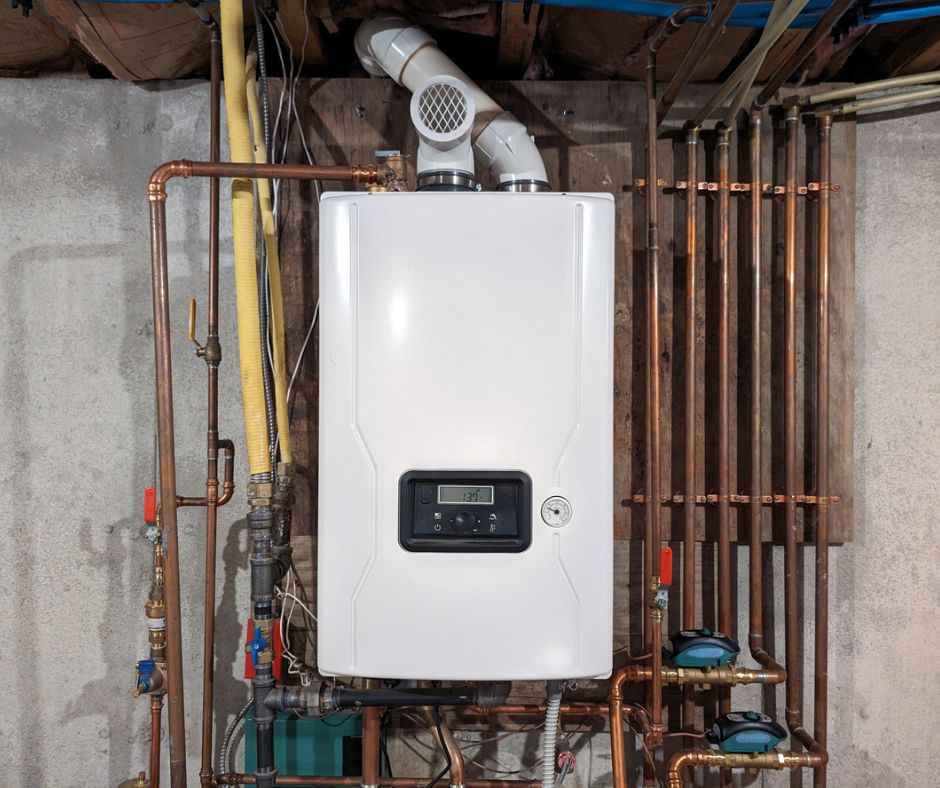
The short answer: Electric tankless water heaters work well in theory. However, in Charlotte, NC, most homes are not currently wired to support them. Installing one without first upgrading your electrical panel may cost $3,500–$ 6,500 in additional electrical work before purchasing the water heater. This post explains why and describes alternative options for most Charlotte homeowners.
Electric tankless water heaters get a lot of attention online. The promise is real: endless hot water, a smaller footprint, and lower energy bills over time. We’re not here to trash the technology. We’re here to tell you the truth: most homes in Charlotte, NC, are not set up to run one. And several other factors, like cold incoming water temperatures, hard water, and high demand, make the situation even trickier.
We’ll break down every obstacle, cost, and honest alternative so you can make the best decision for your home and your budget.
The #1 Problem: Your Electrical Panel
This is a common factor that is sometimes overlooked. An electric tankless water heater is often one of the highest electrical loads in a home.
A whole-home electric tankless unit usually needs 150 to 200 amps of electrical service and 2 to 4 dedicated 40- or 50-amp breakers. This is an extremely high power demand. Here’s what that means for Charlotte homeowners specifically:
- Older homes in areas like Dilworth and Plaza Midwood often have 100-amp panels, or 60-amp in even older properties. These can’t handle electric tankless heaters without a major upgrade.
- Newer homes with 150- or 200-amp panels may still lack the necessary breaker slots or proper wire size for a tankless unit.
- A panel upgrade in the Charlotte metro typically runs $3,500 to $6,500+, depending on your current setup and whether Duke Energy needs to get involved.
Real Cost Warning
Gas tankless water heaters, the option that may suit most Charlotte homes, range from $6,244–$9,875 for larger or recirculating systems. An electric tankless system can cost about the same if a panel upgrade is needed. Choosing electric does not always lead to savings.
The Cold Water Temperature Problem
Electric tankless heaters are rated for gallons per minute (GPM) and how many degrees they can raise water (the temperature rise).
In Charlotte, groundwater in winter can be as low as 45°F. To reach a comfortable shower temperature (around 110°F), the unit must heat the water by more than 60°F.
That is a huge ask for an electric unit. Under that load, most residential tankless electric heaters will throttle their GPM output dramatically. What was rated as a 4 GPM unit on paper becomes a 1.5–2 GPM unit in January. Are you running a shower and the dishwasher at the same time? One of them is going cold.
Gas tankless units handle temperature rise far better because they produce significantly more BTUs of heat on demand. Gas is simply a more powerful fuel source for rapid water heating.
Water Quality: Charlotte’s Hidden Tankless Killer
Charlotte’s water supply comes primarily from the Catawba River through Charlotte Water (formerly CMUD). It meets all safety standards and has a relatively low hardness, typically in the 25–35 ppm range.
A traditional tank handles this hardness with periodic flushing. Tankless units, however, are more affected by mineral buildup.
- Tankless heaters heat water through narrow copper or stainless steel heat exchanger passages.
- Mineral buildup reduces heat exchanger efficiency and flow over time.
- In an electric tankless unit, scale buildup around the heating elements can shorten the unit’s lifespan.
- Without annual descaling maintenance, the lifespan of an electric tankless unit in this market may be shorter than the typical 15–20 years advertised.
Maintenance Reality Check
Annual descaling service for a tankless water heater typically costs $275–$450, depending on the service provider and the extent of the buildup. Skipping this maintenance for an extended period could require replacing the heat exchanger or even the entire unit well before the warranty period ends, which can involve substantial extra costs.
The Comparison: Electric Tankless vs. Your Real Options in Charlotte
| Electric Tankless | Gas Tankless | Conventional Tank | |
|---|---|---|---|
|
Installed Cost (Charlotte) |
$2700–$5300 unit +
$3,500–$6,500 electrical upgrades |
$6,244–$9,875 | $2,224–$3,939 |
| Panel Upgrade
Needed? |
✗ Often Yes | No | No |
| Cold-Weather
Performance |
✗ Reduced GPM
In winter |
Consistent year-round | Consistent year-round |
| Hard Water
Sensitivity |
✗ High; element
scaling |
Moderate; needs
annual flush |
Low; simple anode
rod maintenance |
| Good for Large
Families? |
✗ Often
underpowered |
Yes | Yes (50-gal) |
| Warranty
(Full Spectrum) |
Varies by brand | 6-Year Heat Exchanger,
2-Yr Parts C Labor |
6-Year Tank, 2-Year
Parts C Labor |
| Energy Efficiency | High (when working
well) |
High |
Good (Power Vent = higher) |
Who Does Electric Tankless Actually Work For
To be fair, there are situations where electric tankless systems make sense. They just may not be the best fit for most Charlotte homes.
- Good Fit
-
- A point-of-use unit (under a single sink), not a whole-home solution
-
- Areas where the groundwater temperature is higher
- Poor Fit
-
- Homes with original 100-amp panels (common in Charlotte’s older neighborhoods)
- Families of 3 or more with simultaneous hot water use
-
- Any home without a water softener in Charlotte
-
- Homeowners who want to avoid expensive annual maintenance
-
- Anyone replacing a gas water heater (you’d pay for the electric upgrade AND lose fuel efficiency)
What Most Charlotte Homeowners Should Consider Instead
Option 1: Gas Tankless (Our Most Popular Upgrade: Best Long-Term Value)
If you have natural gas service, which most of Charlotte does, a gas tankless water heater gives you everything the electric version promises without the electrical headaches. Continuous hot water, a wall-mounted design, reduced energy waste.
Option 2: Standard Gas Tank (Lowest Upfront Cost)
For homeowners who just need reliable hot water without the premium price, our standard 40- or 50-gallon gas tank heaters start at $2,224–$3,G52 installed and come with a 6-year tank warranty plus 2-year parts and labor coverage.
Full Spectrum Warranties
All our gas water heater installations come with a 6-Year Heat Exchanger Warranty (tankless) or 6-Year Tank Warranty, plus 2-year parts and labor, backed by our 100% Satisfaction Guarantee and No-Lemon Guarantee. If your tank leaks during the labor warranty period, we will replace it completely at no charge.
5-Minute Home Check Before You Call Anyone: Quick Electrical Reality Check
Before calling a plumber or electrician about an electric tankless unit, do this fast self-check:
- Find your electrical panel. Look for the total amperage rating on the main breaker; it’s a number followed by “A” (e.g., 100A, 150A, 200A).
- Count your open breaker slots. Electric tankless heaters need 2–4 dedicated double-pole breakers (40–50 amp each). If you don’t have that many open slots, you’ll need a panel upgrade.
- Check your water pressure. Grab a simple pressure gauge from the hardware store and test your hose bib. Tankless units need 20–150 PSI, but Charlotte homes commonly run 80–100 PSI, which is fine.
If your panel is 100 amps and has no open slots, you’ve already saved yourself a very expensive lesson.
Final Verdict
Electric tankless water heaters are not bad products. They’re just a poor fit for most Charlotte homes.
Between the electrical panel limitations common in Charlotte’s housing stock, the performance drop during cold-weather months, and the extra maintenance demands from moderately hard Catawba River water, most homeowners end up spending more for a worse experience than they’d get from a gas alternative.
If you have an all-electric home with a modern 200-amp panel and low hot-water demand, it may be worth exploring tankless electric water heaters. For many others, gas tankless or high-efficiency gas tank heaters are often more cost-effective and reliable solutions.
We’ll Help You Decide if Tankless is the Right Fit for Your Home
Don’t let an attractive marketing pitch push you into upgrading your home that isn’t ready for it. Ask the right questions, or let us ask them for you.
Recent Posts
When Should Rock Hill Homes Use Hydro Jetting Instead of Standard Drain Cleaning?
Why So Many Charlotte Homes Need Their Water Pipes Replaced

Slab Leak Repair Cost in Charlotte, NC: What Homeowners Need to Know (2026 Guide)
Have a Question?
Fill out this form and our team will get back to you as soon as possible.
Book Online in minutes
Schedule service for your home Today
Schedule service with Full Spectrum Plumbing today and take the stress out of home repairs. Our experienced team is ready to deliver fast, reliable solutions whenever you need us.