
Proudly Serving the Rock Hill, Charlotte, and Surrounding Areas

The Hidden Effects of Carolina Clay Soil on Your Sewer Line
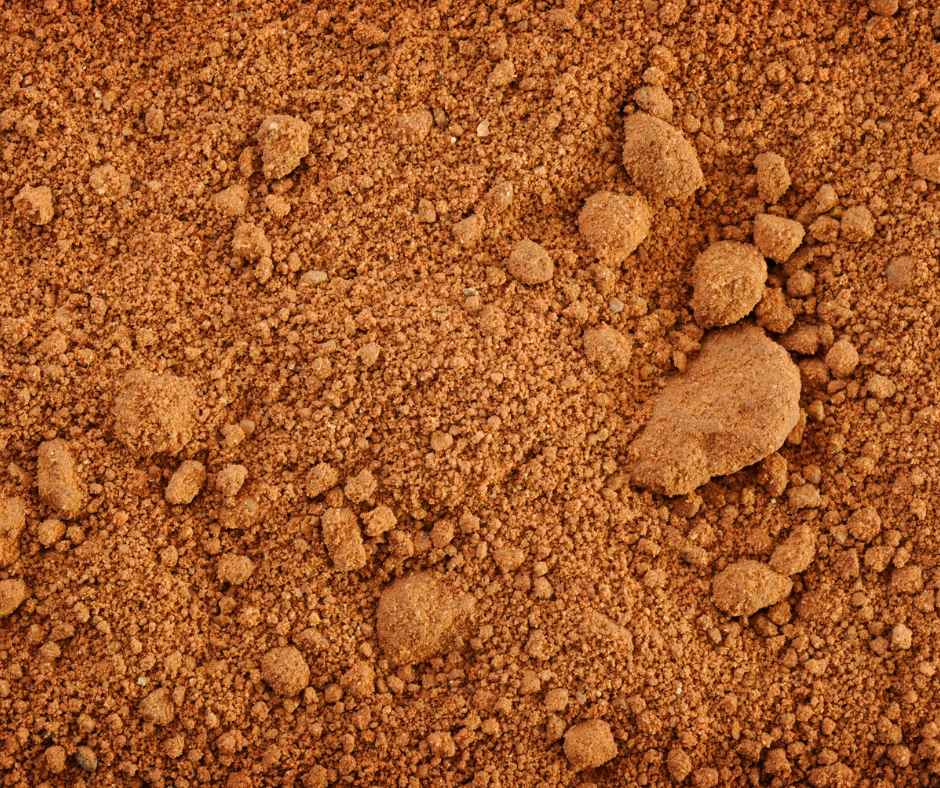
The vibrant red clay of the Carolinas is an iconic part of our landscape, but for your underground plumbing, it is a formidable and often destructive force. While most homeowners in Rock Hill and Charlotte focus on the aesthetic of their lawns, the soil beneath the surface is constantly in motion. This dense, heavy earth does more than just stain your shoes; it creates a high-pressure environment that can crush, shift, or snap sewer lines without warning. Because clay reacts so dramatically to the humid summers and wet winters of the Southeast, your pipes are subjected to a cycle of stress that most standard plumbing materials were not designed to withstand for decades.
In this guide, Full Spectrum Plumbing Service explains the hidden relationship between Carolina clay and your home’s sewer infrastructure. By learning the warning signs of clay-induced pipe stress, you can take action before a minor shift turns into a total sewer collapse.
Situational Breakdown: Is It a Simple Clog or a Soil-Induced Failure?
When a drain starts running slowly, most homeowners reach for a plunger or a chemical cleaner. However, in the Carolinas, the root cause is frequently structural rather than a simple blockage of hair or grease. Differentiating between a routine clog and a pipe compromised by shifting clay is essential to choosing the right repair strategy and avoiding wasted money on temporary fixes.
When Service is Needed
If you observe these symptoms, your sewer line has likely moved or cracked due to soil pressure, and you require a professional camera inspection:
- Multi-Fixture Backups: If using the washing machine causes water to bubble up in your shower, or if every toilet in the house is flushing slowly at the same time, the problem is in the main line beneath the clay.
- Lush Green Patches: In the heat of a Carolina summer, your grass should be somewhat uniform. If you notice a specific strip of grass that is significantly greener or faster-growing than the rest, it is likely being fertilized by a leaking sewer pipe.
- Yard Sinkholes: A depression or “soft spot” in your yard often indicates that a pipe has snapped and that the surrounding clay is being washed away into the sewer stream, creating a dangerous underground void.
- Recurring Root Intrusions: While roots are a problem everywhere, clay soil pulls at pipe joints as it expands and contracts, creating tiny gaps that Carolina tree roots can easily penetrate.
When It’s Not a Structural Emergency
Not every plumbing issue is a battle with the earth:
- Localized Slow Drains: If only the kitchen sink is slow but the rest of the house is fine, the issue is likely a localized grease clog within the home’s interior piping.
- Gurgling After a Single Flush: Occasional gurgling from a single toilet can often be attributed to a venting issue or a minor obstruction that a standard drain cleaning can resolve.
The Science of “Carolina Red”: Expansive Clay Explained
To understand why your sewer line is at risk, you have to understand the physical properties of our local soil. Carolina red clay is primarily composed of kaolinite and other minerals that are highly “expansive.” This means the soil acts like a moving piston. When we experience the heavy rains common in spring, clay particles absorb large amounts of water and swell. This expansion can exert upwards of 5,500 pounds per square foot of pressure against your buried pipes.
Conversely, during our hot, dry Carolina Augusts, the clay loses moisture and shrinks. This cycle of swelling and shrinking causes the Earth to move significantly. As the soil shifts, it takes your pipes with it. If your sewer line is made of older materials like cast iron or vitrified clay tile, it lacks the flexibility to move with the earth. The result is often a “sheared” pipe, where one section of the line is pushed higher than the other, or a “bellied” pipe, where a section sinks, creating a permanent pool of standing wastewater that leads to constant backups.
Comparison & Cost Clarity: Traditional Excavation vs. Trenchless Technology
Repairing a sewer line in the Carolinas is a significant investment, and the dense nature of our red clay directly impacts the final bill. When you face a damaged pipe, the choice typically comes down to two very different methods. Each has its own set of tradeoffs regarding labor, timeline, and the long-term health of your property.
Traditional Excavation: The “Big Dig”
Traditional repair involves using heavy machinery to dig a trench along the entire length of the damaged pipe. Because our clay is so compact, this process is labor-intensive and time-consuming.
- The Process: Plumbers must physically remove the clay to access the pipe, replace the section, and then backfill the hole.
- Cost Factors: While the materials for traditional repair (often PVC) are relatively inexpensive, the labor and restoration costs are high. In Rock Hill and Charlotte, homeowners often spend between $12,000 and $25,000 in total, including the cost of repairing damaged driveways, porches, or expensive landscaping.
- Tradeoff: It is often the only option for a completely collapsed pipe that cannot be navigated by cameras or liners.
Trenchless Technology: Pipe Bursting and CIPP Lining
Trenchless methods allow us to fix or replace your sewer line with minimal digging, usually through just one or two small access points.
- Pipe Bursting: A specialized bursting head is pulled through the old pipe, shattering it and pushing a new, seamless HDPE pipe into place. This is especially effective in expansive clay because the new pipe is flexible enough to withstand future soil movement.
- Cured-in-Place Pipe (CIPP): An epoxy-saturated liner is inserted into the existing pipe and “cured” to form a brand-new, smooth inner wall.
- Cost Factors: These methods often range from $6,000 to $12,000. While the equipment is more specialized, you save thousands by avoiding the need to rebuild your yard or repave your driveway.
Risk & Consequences: From Yard Sinkholes to Foundation Cracks
Ignoring a compromised sewer line caused by shifting clay is a dangerous game. In the Carolinas, a small crack in a sewer pipe acts like a magnet for moisture, which further destabilizes the surrounding soil and accelerates the damage to your home’s structure.
The most common consequence is the development of sinkholes. When a sewer pipe cracks, water seeps into the loose backfill. Over time, this water washes away the clay, creating a hidden cavern beneath your lawn. Eventually, the surface soil loses its support and collapses, creating a hole that can swallow patio furniture or pose a threat to pets and children.
More seriously, a leaking sewer line near your foundation can lead to structural settling. The constant influx of wastewater saturates the clay beneath your home, reducing its weight-bearing capacity. This can lead to foundation cracks, doors that no longer shut properly, and uneven floors. Furthermore, once a pipe is cracked, it becomes an open door for tree roots. Carolina oaks and maples are notorious for sniffing out the moisture in sewer lines. Once they enter, they thrive in the nutrient-rich water, eventually filling the pipe completely and causing raw sewage to back up into your home’s lowest drains.
Proactive Soil and Pipe Diagnostics and Strengthening Your Home’s Infrastructure
If you live in a home older than 20 years in the Rock Hill area, your sewer line has already survived decades of clay expansion and contraction. The best way to avoid a midnight plumbing emergency is to see what is happening underground before the next major rain cycle. A professional camera inspection can pinpoint “bellies” in the line or minor joint separations that are currently manageable but will eventually lead to failure.
Your home is only as reliable as the pipes buried beneath it. While the red clay of the Carolinas presents a unique challenge, modern plumbing technology enables us to reinforce your sewer system against the earth’s pressure without destroying your beautiful landscape. Staying ahead of soil-related pipe stress is the most effective way to protect your property value and ensure your home remains a safe, sanitary environment for your family.
If you are noticing slow drains or unusual soft spots in your yard, contact us today at Full Spectrum Plumbing Service to schedule a high-definition sewer camera inspection and protect your home from the hidden effects of Carolina clay.
Carolina Clay Sewer FAQ
Why is my sewer line more likely to break in a dry summer than a wet winter?
During a dry summer, the clay shrinks and pulls away from the pipes, leaving them unsupported. When the first heavy rain hits after a drought, the soil expands rapidly and unevenly, which is often when brittle older pipes finally snap.
Does the red clay actually eat through my metal pipes?
Not exactly. While the soil itself isn’t “eating” the pipe, the moisture trapped against the pipe by the dense clay accelerates the oxidation and corrosion of old cast iron lines, leading to “pockmarking” and eventual leaks.
Can I replace my clay pipes with PVC to stop the shifting?
PVC is much better than old vitrified clay, but for the best results in expansive soil, we often recommend HDPE (High-Density Polyethylene). It is a seamless, flexible material used in pipe bursting that can bend slightly with the soil without cracking.
How does the “Clay Bowl Effect” specifically affect Rock Hill homes?
When homes are built, the dug-out area around the foundation is filled with loose soil. This “bowl” collects water faster than the surrounding hard-packed clay, keeping your sewer lines and foundation constantly saturated.
Will my homeowner’s insurance cover soil-related sewer collapses?
Most standard policies do not cover “earth movement” or wear and tear. However, if you have a specific “service line coverage” rider, you may be protected. It is always best to check your policy before you have an issue.
Recent Posts

How Much Does Well Pump Replacement Cost? What Homeowners Should Know
When Should Rock Hill Homes Use Hydro Jetting Instead of Standard Drain Cleaning?
Why So Many Charlotte Homes Need Their Water Pipes Replaced
Have a Question?
Fill out this form and our team will get back to you as soon as possible.

Book Online in minutes
Schedule service for your home Today
Schedule service with Full Spectrum Plumbing today and take the stress out of home repairs. Our experienced team is ready to deliver fast, reliable solutions whenever you need us.